Through the Looking Glass
Architecture as a mirror of society and an agent of change
Architecture, alongside several forms of media and communication has been perceived s an agent of change, a reflection of societal segregation and ironically, of falsified unity. The disciplinary practice of architectural production and dissemination manifests through artistic expressions that interpret and communicate emerging societal challenges and dynamics to its users and audience alike.
The discussion seeks to examine the myriad ways in which societal transformations and collective life have influenced spatial configuration and formal production over the course of time. Processes of industrialisation, automation, and a reconfiguration of social hierarchies have therefore resulted in new categories of space and types of form. La Mothe Le Vayer identifies three forms of government, the art of self-government, the idea of governance that relates to the family, or economy, and thirdly, governance of the nation state. In a sense, the art of governance, being multi-scalar, is directly related and derived from the unit expanding to a collective – from a part to a larger whole. These ideologies and frameworks have influenced social organisation at the scale of the family, the community, and the country with material repercussions.
The modern city based on proposals that sought to envision and formalise a new world order in the wake of industrialisation saw the emergence of spatial strategies such as the Plan Voisin by Le Corbusier and The Garden City Movement by Ebenezer Howard that represented modes of city planning that sought to articulate societal relationships at an urban scale. These proposals represent the dynamics between different forms of collectives from joint and nuclear families which inform the spatial configuration of housing units as evident in the Unite d’haitation to more horizontal forms of social and administrative structures instrumental in the formation of large-scale housing developments such as Plan Voisin. Finally at the level of the city, functional organisations have dictated the nature of the built environment separating spaces of work, home, leisure, institution, and education.
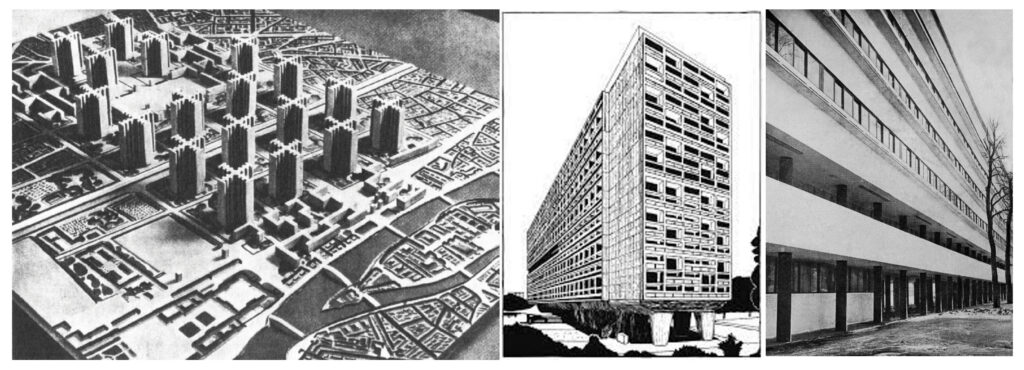
Social housing schemes have represented societal hierarchies and grouping at the scale of the building that address urban concerns related to migration, social clustering, and unemployment. Projects such as United’habitation, Wohnmaschine, Narkomfin building represent the concurrent existence of the flexible and versatile individual unit and the shared space and facilities that hold them together.
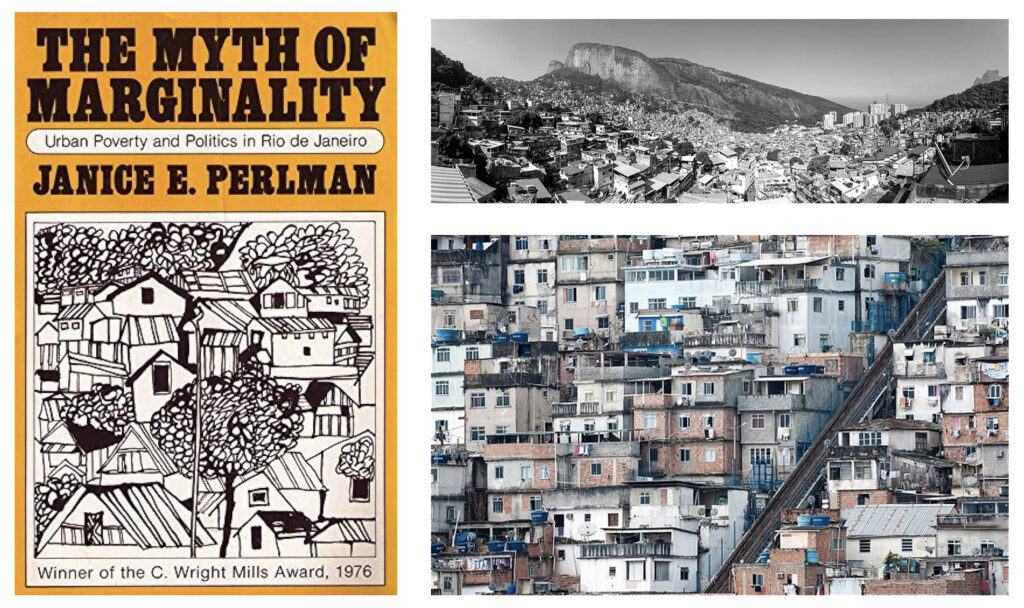
Public housing projects have served to function as refuges for relocated migrants from slums and squatter settlements across the world. In the case of Rio de Janeiro’s favelas[1], although several migrant families have realized the potential in being rehoused albeit into housing developments devoid of basic infrastructure and public amenities, others have, over a period of time remained rooted to their dilapidated clusters within the squatter settlements. Primarily owing to long-standing communal ties, availability of work opportunities in the city and security of land tenure, these residents have sought to retain their homes within the favelas. In The Myth of Marginality: Urban Poverty and Politics in Rio de Janeiro,Janice Perlman contends that the marginality of these communities has been mythicised and although they are well integrated within networks of trade, transport and production within the metropolis, urban policy has not been passive with regards to their survival but has consciously been directed towards their social and political exclusion as residents within urban settings. In addition, unemployment and poorly paid work positions are concerns that continue to ail the working-class population in the Brazilian city affecting the labour relations within and without the community residing in squatter settlements and low-income housing colonies, and their hierarchical relationships with an elite demographic.
More contemporary forms of ownership and management of communal settlements involve co-operatives which are formed through partnerships between the state, developers, the private sector, agencies and representative of communities. These ideas of house form and urban planning envision the architectural object as representative of the city, encapsulating a variety of experiences and programs within its form. These strategies demonstrate attempts at negotiating space to address an exponential growth in demographics, migration, business, service and creative industries by means of articulating the urban form. Spatial stratification on ground and visible in plans have been accommodated vertically in the 19th and 20th century communal dwelling and the 21st century high rise. As cities within the city, they serve as the embodiment of urbanity which provide a platform for mediation between the designer, the developer and the user, through administrative networks and urban form.
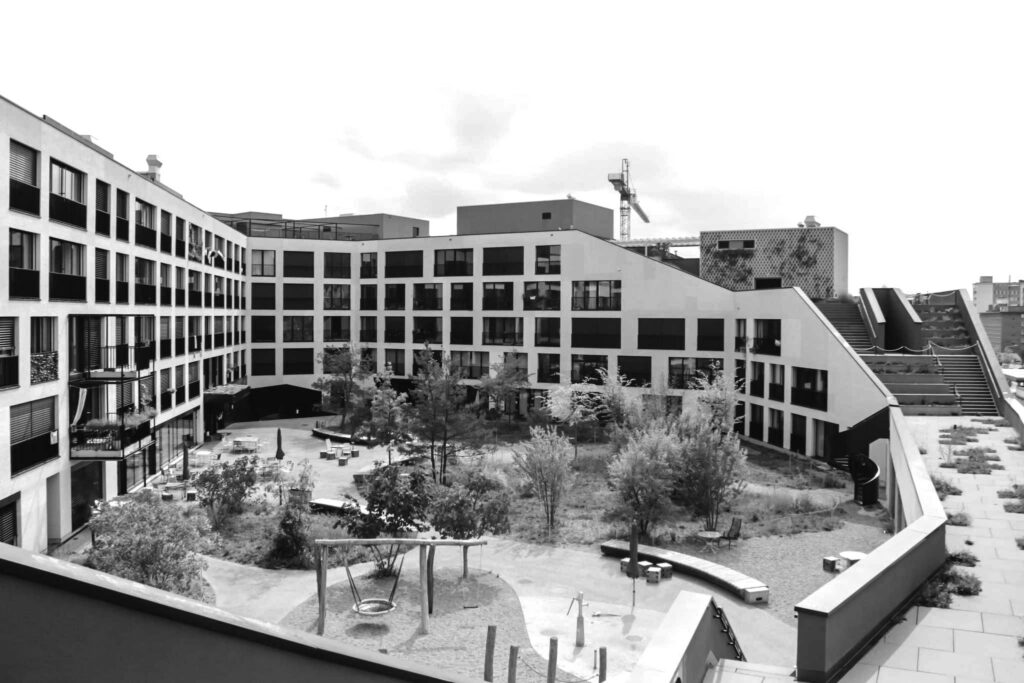
Kalkbreite Housing Scheme, Zurich
Altered means of production, as the author observes, have transformed lived experiences from reality to representation. Industrial (and digital) means of production and consumption, a consumerist culture and audience have collectively influenced reception, from a unified perspective to present, instead a collection of “fragmented views”[2].
In this context, a “spectacle” of society is an emergent identity as a consequence of current means of production. It does not substantiate reality, but instead results in a superficiality dissociated from an objective reality previously known. Both reality and spectacle, exist concurrently and in relation with each other to form a layered identity of the canon. Essentially, it redefines the architectural or urban condition in the present, by presenting an alternative perspective – a lens that abstracts, distorts as well as represents reality. These forms of communication exist as “news, propaganda, advertising and entertainment” which present, as the author states, a “model of the prevailing way of life.” Through opinionated views and by articulating well defined arguments, the spectacle makes reality worth seeing. Furthermore, it informs its readers, directs and influences the perception and interpretation of reality.
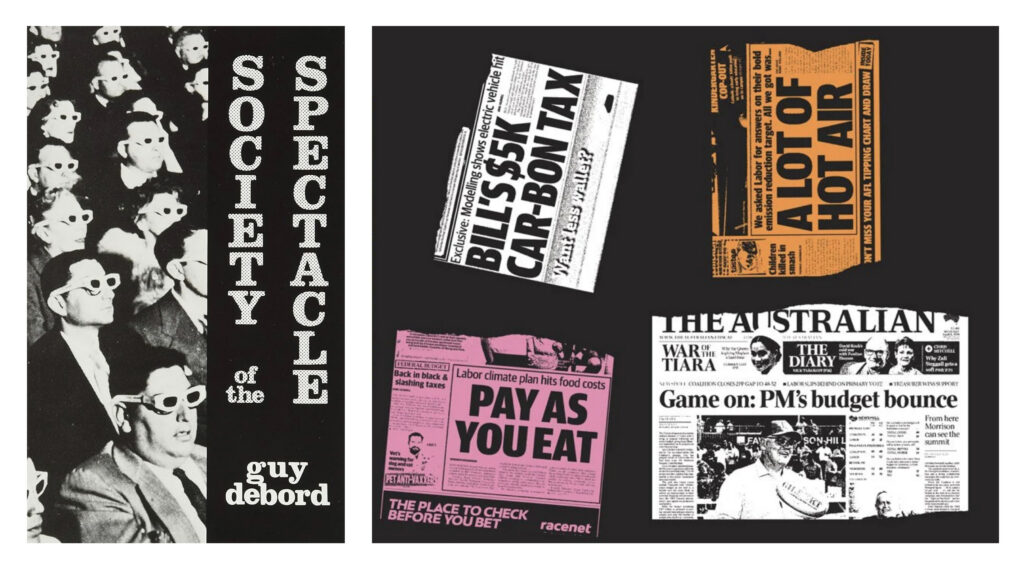
The spectacle exists and operates in parallel with society, as much as it forms an intrinsic part of it. Debord presents the “spectacle” as a “means of unification”, and the “focal point of all vision and consciousness.” However, as a consequence of its distinction, it remains characterised by contradiction with regards to society. The spectacle presents a deluded interpretation, and through unification its distinctiveness to society is pronounced. The representation of reality through images underscores relations within society. In this regard, the author observes, that primarily, the purpose of the spectacle is encapsulated not through its representation as much as its intention of construing relations and existing as a means of communication between people. As a consequence, the spectacle has formalised a means of perception, “a worldview” which has gained a certain independence and is therefore capable of existing by itself, distinct from reality.
The spectacle is composed of signs that exist as signifiers of an objective reality. This form of representation that shapes the “spectacle” comprises of the text and the image, the written word, the picture and the sound. In this way, by employing different media, opinions are shaped and influenced. Furthermore, the media creates signifiers which are the “end product of reality, representative of the dominated system of production”. For instance, a post-industrial mechanised world produces the printed newspaper, the photograph, magazine or the moving image as opposed to the painting that bore symbols and religious messages in a pre-modern context. These processes, in addition, have transformed the relationship between the maker and his client with the introduction of the machine that has intervened in between.
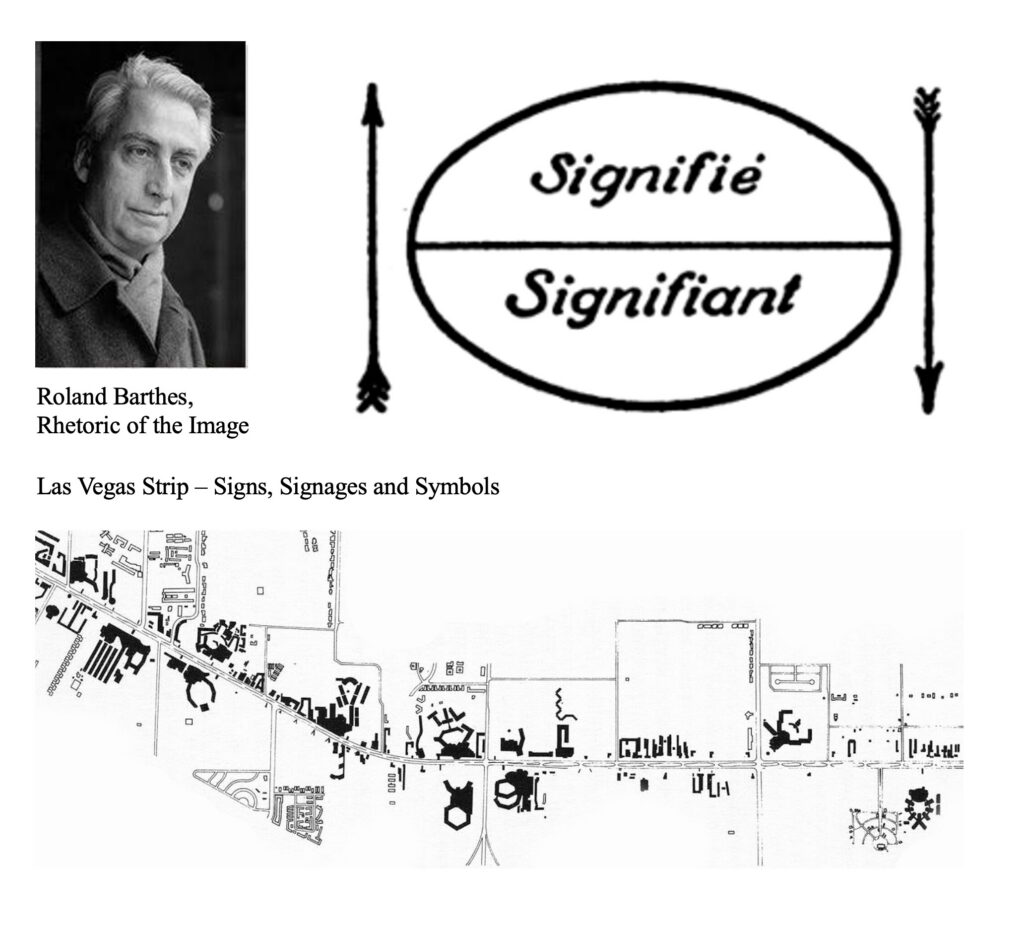
Structuralist mode of reasoning – the Las Vegas Strip
The spectacle is representative of reality and its purpose or aim. Simultaneously, it exemplifies “a goal” or a societal purpose of reality. The author discusses the purpose of a transformed reality that is exclusively directed towards the creation of the spectacle. As simultaneous but distinct processes of production the architectural object and the article that reviews it are consequences of similar processes where the latter manifests as a production of intention as much as the material form itself. Mass media in this context represents, seeks to communicate, and serves to function as the space that discusses, celebrates, and refutes material production.
The spectacle may manifest as a false representation of reality. It is nonetheless, a product of it. As a result, the image, or narrative that seeks to communicate aspects and nuances of reality are both process and product of reality itself. Furthermore, the experience of reality, is narrated and represented through the spectacle, and reflections based on the perception it projects. In this way, the spectacle consumes lived realities and proceeds to dominate its material form. Both reality and its representation exist independently as well as in relation with each other. These dialectics embrace their differences transforming on into the other. The author observes that they represent the other through the dissolution of differences. Alternatively, spectacle and reality serve to alienate the other by means of the process of realisation. The news report or the magazine article, the advertisement or the political slogan represents, interprets and communicates a reality. It abstracts and prioritises aspects of that reality that often results in a distortion. A societal condition is interrogated by means of the spectacle, and both spectacle and society emerge as objective realities through this process. They are intrinsically related to each other and become interchangeable in the process. Furthermore, they alienate each other, as a result of their dualities and reciprocal natures.
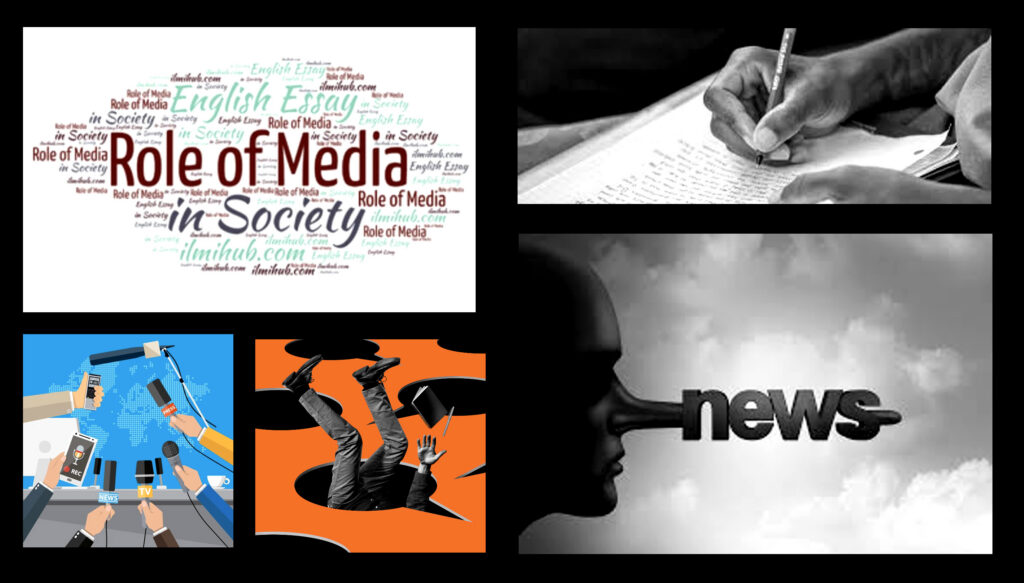
Politics and perception : The role of media in modern society
As the real assumes an abstractness and manifests as a form of representation, a realm that forges connections between the user and a metaphysical world is constructed. In this case, tactical perception is relegated to a secondary position, or interpretation through touch and feeling becomes secondary. Instead, the image, that is visually received becomes the dominant form of interpretation. The author observes that the representation of present-day society is transmitted by means of an abstractness most readily absorbed through visual perception. The spectacle, composed of distinct forms of representation based on a variety of media becomes independent, existing in parallel with a developing reality, while simultaneously remaining related to it. In this way, it forms, a layered definition of reality through the creation of an alternate realm that seeks to interrogate the social condition. The spectacle, therefore, forms the means by which relations and processes that define a particular form of society specific to a period are represented, interpreted and communicated to the observer. In this way, it functions as an intellectually independent mirror for society. Therefore, the spectacle, is a powerful medium that articulates a commentary on a society it perceives, by employing the lens or perception of the society it represents. It embodies a multi-layered identity that enables two or more parallel ideological processes to unfold. Through its material reality, the newspaper, or the magazine forms a critique and interpretation of another form of reality, the architectural object or the urban condition which itself is a reflection of the present society.
By philosophising reality, the spectacle introduces a distinct lens of perception, while simultaneously developing a realm of intellectual thought and activity based on process and production in the real world. The medium embodies the material manifestations of interpretative religious discourse. To this effect, the author believes, that the spectacle manifests as a form of a substitute for transcendental projections. Here, the spectacle intervenes within the internal fissures of the human soul and transforms earthly realities to the illusionary, metaphysical realm. the spectacle translates the physical and the metaphysical by creating an alternate definition of both. It represents the medium by means of which a dialogue is enabled between the real and metaphysical. In this context, the spectacle is an agent of the religious institution.
Alternatively, the spectacle manifests as a medium for the state. As the author observes, the spectacle represents the voice of power and originates from a powerful source, distinct to one that is instrumental towards the definition of reality. This form of power comments on the real and the present. It seeks to refine critique and commentary. In this context, the spectacle represents a monologue, as it refrains from engaging in a dialogue with those responsible for the crafting of a material reality.
The spectacle is representative of societal hierarchies and forms of segregation that defined “the modern state” which emerged as a result of social division of labour. Societal segregation and the institutionalised forms of labour based on class divisions had, in the past influenced religious discourse and speculation. By relating different forms and interpretations which have served to characterise the nature of the spectacle, the author projects a field defined through the convergence and interception of statutory and ecclesiastical powers – the realm that emcompasses the integration of church and state.
The material production being mechanised in a post-industrial age, embodies the division of labour between those that are concerned with its production, and mechanised reproduction as opposed to the understanding of labour as an intellectual process and space. These relationships further enhance the complex dynamics between the maker, designer and the critic. Furthermore, the commodity, or the product that manifests as a reflection of modern society, in the form of the literary publication or the architectural object exists as the spectacle – the lens through which the spectator perceives and interprets social realities.

The social, professional, and administrative networks that govern the production of the commodity are in turn reflective of the society and historical time within which it is produced.
For instance, the spectacle that emerges in the aftermath of the war and the Industrial Revolution represented means through which state power sought to reinstated itself through multi-scalar channels. Associated with bureaucratic capitalism, the spectacle has been adopted during “moments of crisis”, social, economic, and political. As a consequence, it represented an extreme societal condition operative in a fragmented society that sought to reinstate control and order.
The networks responsible for the commodity are in turn engaged in the evolution of the modern society and its perception. It enables a wider understanding and illustrates the true potential of modern society and the modern project. The Industrial Revolution, as the author observes, served to function as the means by which the power of the commodity in defining social relations was established. Through the introduction of technology and automation, and the reconfigured division of labour with regards to manufacturing and design, the modern project, by means of the commodity and the economy sought to redefine society. The period exemplified the significance of the intersection between economy, material production and politics which has since defined dominant power relations that govern society to the present day. The spectacle, in this context exists as a period in the process of production and interpretation of the commodity, and by means of it, society, when the object has evolved to a state where it has demonstrated its influence over societal relations.
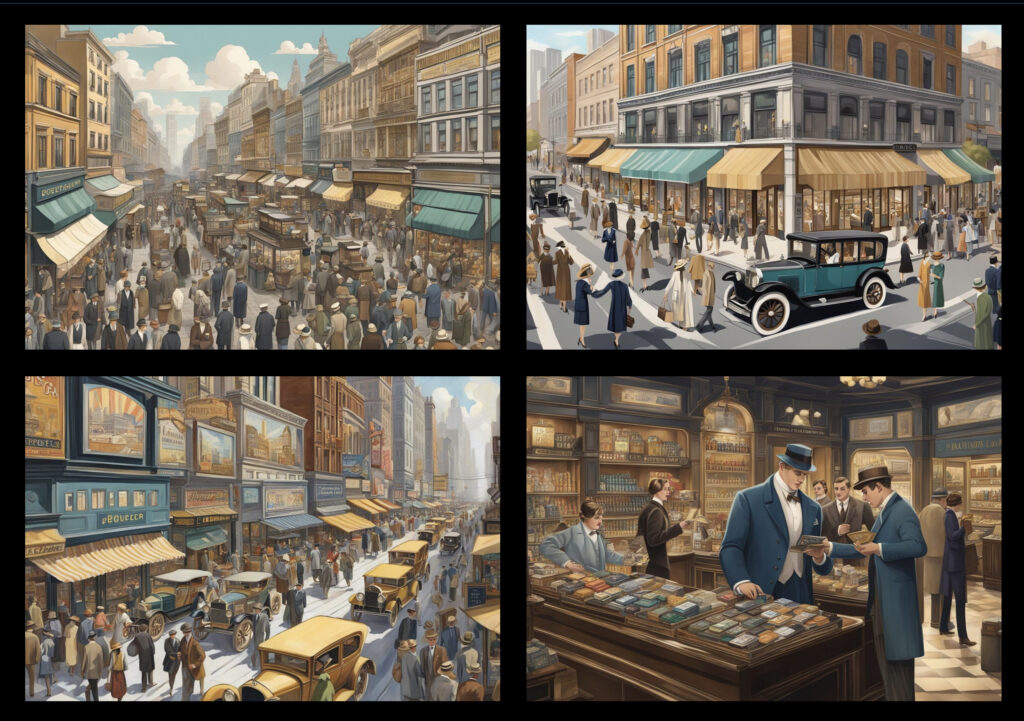
Reflections of modern society through networks of commodity and labour
“ Capitalist production has unified space, breaking down the boundaries between one society and the next.” The author introduces the notion of spatial reconstruction in the capitalist economy wherein societal structures influenced as well as reflected transformations in the built environment. Similarly, the unprecedented growth and accumulation of mass-produced commodities, reconfigured the conception of regional and social distinctions in a post-industrial context. As a consequence, Medieval guild restrictions placed upon the craftsmanship and quality of the craft, both in terms of process and product were contested. The restrictions enforced on these productive processes were reflected in the degree of autonomy with which the craftsperson or the maker operated. These transformations had positive and negative effects on the quality of the product. Society has been proactive and its agency in reshaping the urban environment can be observed in strategies that underpin architectural and artistic production ranging from the scale of the dwelling, the house or residential space, to the urban form representative of the city. In this regard, governance, both of the family and the city influences social dimensions and networks with spatial consequences. It demonstrates the agency of architects, urbanists and administrators in redefining both urban and natural environments.
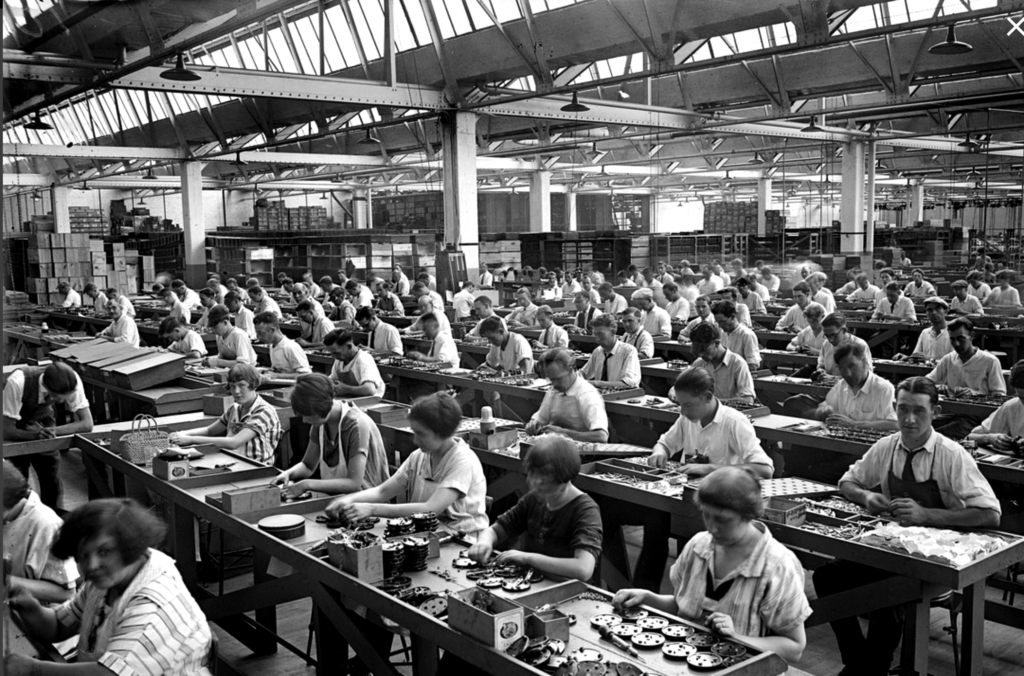
The spectacle is superficial as it reflects a falsified unity that conceals the class divisions within the projected unity of the capitalist mode of production. The architectural object manifests as the commodity, and exemplifies a dialectic between social segregation and a unified reality through the housing development that seeks to consolidated displaced masses into standardised blocks. The social segregation implicit within these formal expressions is evident in the distinction between social housing schemes that are targeted at a growing proletariat as opposed to the type of residential dwelling inhabited by the elite. The segregation is implied in a false perception of a demographic that is inherently diverse, but is perceived as uniform. As a consequence of a misinterpreted reality, despite being located within a post-war context, several urban schemes were rejected. Others have been deemed unsuccessful and have contributed to a growing repositoria of derelict urban estates in need of demolition.
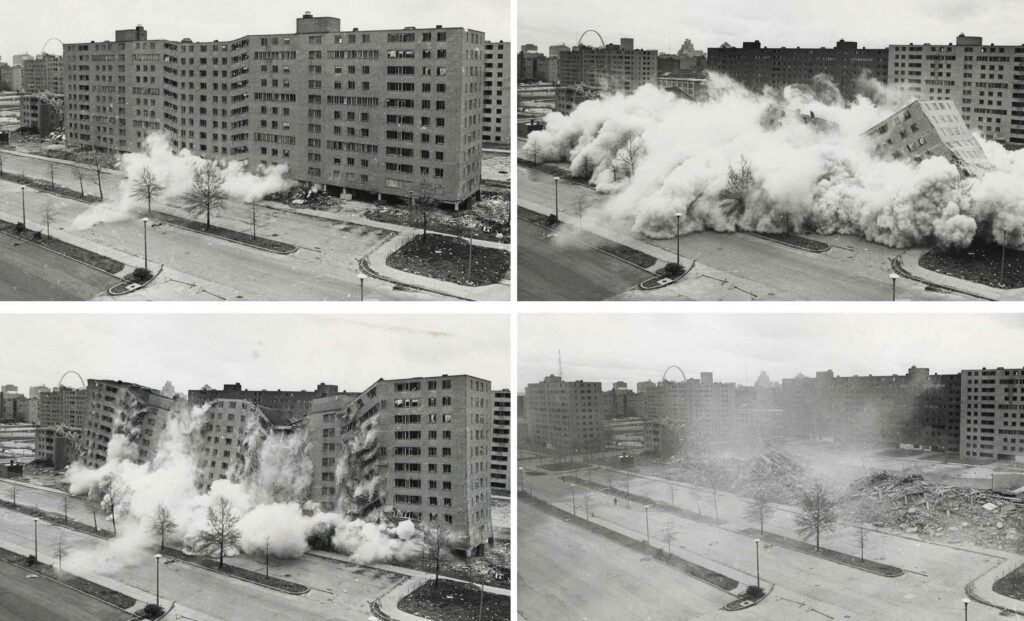
Pruitt-Igoe housing project, St. Louis, Missouri, United Stataes, 1954.
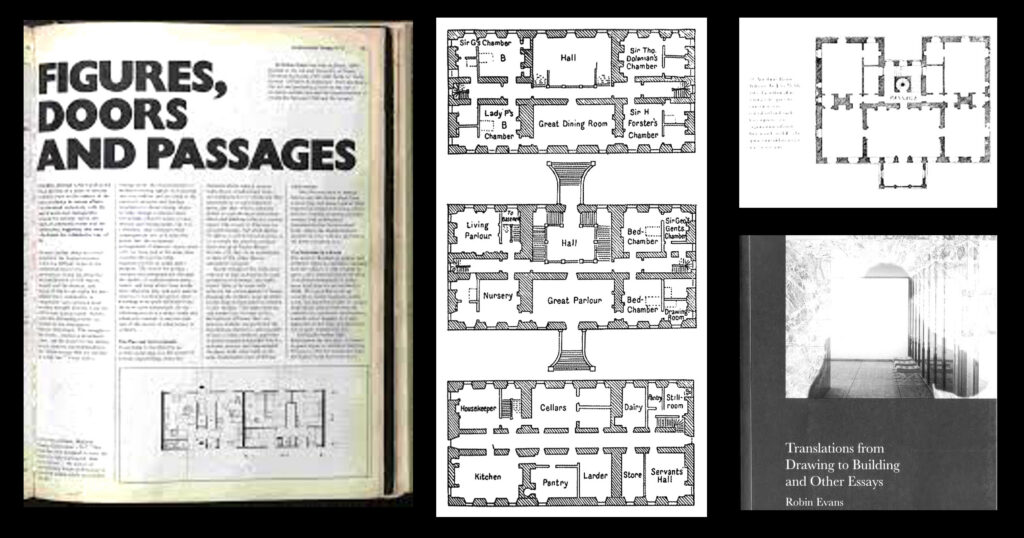
Urbanism and the means by which it has been deployed with the use of the architectural object and urban environment has superficially attempted to reunite society. Debord laments that the social isolation observed at the scale of the city exists within the domestic enclave, for instance in the case of the single family and collective living dwelling units which have been reconfigured through political and creative intervention. Alternatively, these spatial forms have embraced the idea of internal divisions, for instance, by means of the introduction of the corridor as discussed in Robin Evans’ 1974 essay “Figures, Doors and Passages”, in Translations from Drawing to Building and Other Essays. The altered definition of domesticity appears to celebrate the notion of isolation or rather, in this context, privacy as opposed to the false exaltation of collective life and democracy.
Capitalism manifests in the form of various technological means that creates spatial distinctions and corresponding societal hierarchies. Urbanism serves as the means by which these distinctions are established and deployed materially. Concurrently, they exemplify a “technology of separation” that has manifested in multiple contexts and through various multi scalar processes. The author perceives Urbanism as a process that deals with the contemporary issues of societal distinctions that have been influenced dynamics in an industrial and post-industrial context. Social relations have been reconfigured consequently resulting in close-knitted collectives as a result of altered urban processes of production and consumption. On the other hand, Urbanism as an ideological field perpetuates class distinctions by mobilising the masses in these processes and distinguishes between the designer and the producer. Regulated spaces, both urban and domestic, have emerged in the aftermath of Urban schemes initially directed at instilling law and order after the French Revolution. These initiatives have questioned democracy, autonomy and freedom that exists within these environments.
In the context of the countryside, urbanisation manifested in the form of strategies that opposed traditional notions of rurality and the natural environment, alongside any remnants of a pre-industrial context and its societal structure. The deployment of urban planning schemes in rural contexts created a controlled and monopolised landscape that was artificial. The authoritarianism evident in the modern project was easily absorbed in the rural context as a result of an inherently fragmented society. In this regard, the “neo-peasantry” – representative of the renewed social relations post-urbanisation favoured a “centralised bureaucracy” largely represented through a top-down form of governance that opposed individual agency. In this context, the modern city as well as the countryside represented the impact of urbanisation that contested historical continuity and a landscape that had been shaped in relation with the past through its reversal.
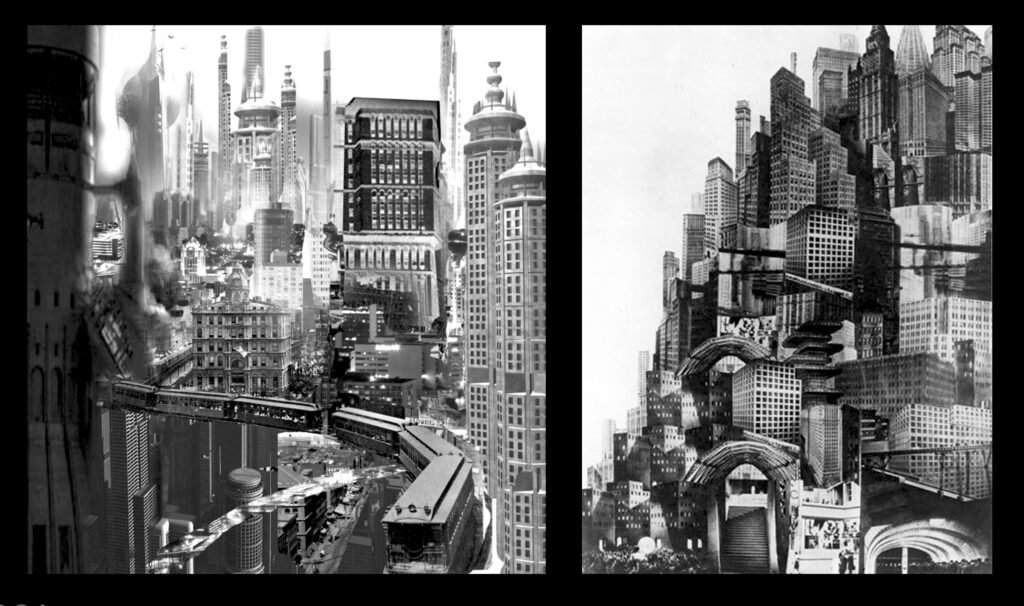
Georg Simmel offers another dimension with regards to the perception and deployment of modern methods of architecture and governance in rural and urban contexts. The author discusses the influence of the metropolis on the philosophical construction and modes of thinking, as opposed to intellectual processes sustained by a rural context. The author states, that the urban environment is composed by a series of city images that require a particular psychological condition. An urbanistic perception is particularly influenced through street corners, intersections, and a series of interchanging imagery. Furthermore, life in the city is representative of a complexity instituted through diversity, cosmopolitanism, and contradiction.
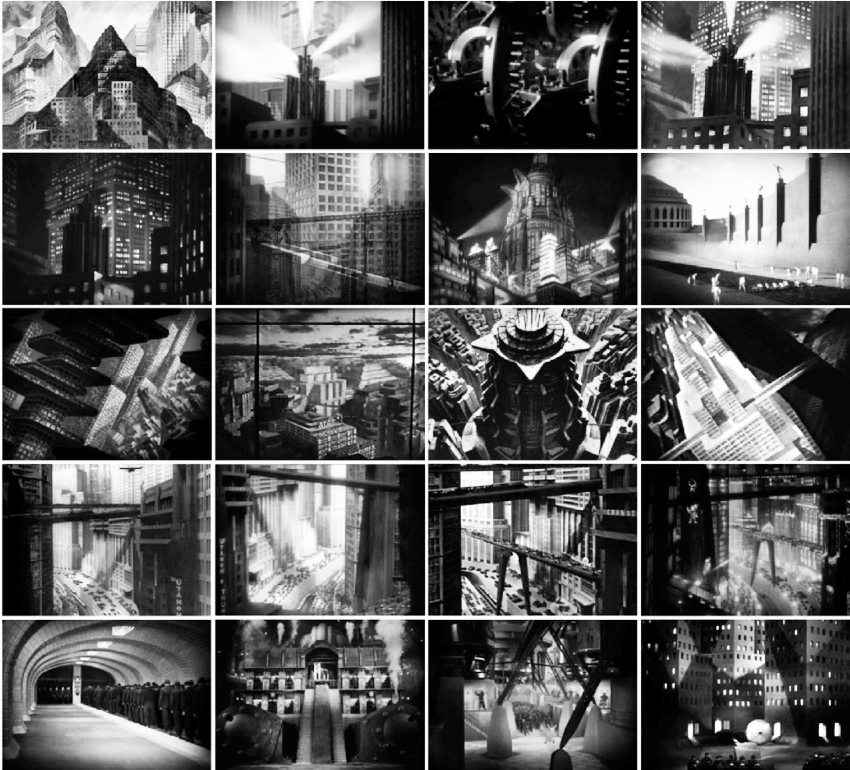
The collage presented constitutes the “urban spectacle” by means of which the social and environmental condition is formed. This form of urban reality contradicts the essence of life in a small town or the countryside that is characterised by a stability, constancy and occasional inertia that enables a smoothness in the rhythm of mental activity. The author hypothesises that societal influence is governed by means of contextual relations, and proceeds to demonstrate the means by which certain qualities are representative of the metropolitan mind, that are conspicuously absent from the ideological disposition and living practices of the mind nurtured in the countryside. In his opinion, the metropolitan mentality is characterised by means of a rationality devoid of afflictions or emotional connections, instead creating a detachment essential with regards to an operational efficiency required of it. By contrast, the rural mentality characteristic of the person from a small town or the countryside is weighed down by emotion, instinct and intuition that contradicts the rationality and focus of the urban consciousness. The author associates particular value attributes to both forms of thinking that can be employed to construe relations between the individual and his environment and alternatively between a collective societal influence exerted by the built and natural environments. For instance, he characterises the ability to remain dynamic in the face of contradiction and external stimuli as a strength characteristic of the urban mindset that seeks to remain constant despite the pressures exerted upon it. Simmel observes, that in the urban context, a detachment is favoured as compared to a sensitive response. In his opinion, the built environment influences such a response that is required in order to function effectively in the city. However, within the discipline of architecture and the design, a sensitivity and responsive attitude is an operational pre-requisite, – Design as a discipline requires the human mind to remain sensitive despite external stimulus. Therefore, for the urban designer, a consciousness defined by means of a dialectic between the unflinching stability in the face of disruption and a dynamic and responsive attitude that defines a sensitive disposition is necessary. Drawing on the author’s hypothesis of the metropolitan mind as opposed to a small-town mentality, the burdens and expectations of a creative mind illustrates further, the multiple layers that add complexity to the urban-rural dialectic.
The author asserts that the urban mindset is not only influenced by means of a “money-economy”, but also supports, and is in turn supplemented by it. To illustrate this assertion, he states that “Only in a stable and closely organised society that assures mutual protection … is it possible for such a delicate and easily destroyed material as a paper to become the representative of the highest money value.” In her examination of socio-spatial relations in the context of the City of London, Amy Thomas argues that the means of transactions and operations that defined the banking and financial sector in the heart of London relied enormously on interpersonal relations and pedestrian movement between institutions. Facilitated in a pre-war Medieval morphology through alleys, narrow, pedestrian streets and intimate urban spaces that related to a human scale, a post-war bomb inflicted and partially destroyed historic precinct was proposed to be redeveloped by creating a 30 mile long, elevated, pedestrian walkway or “pedway” that would distinguish between vehicular and pedestrian movement.
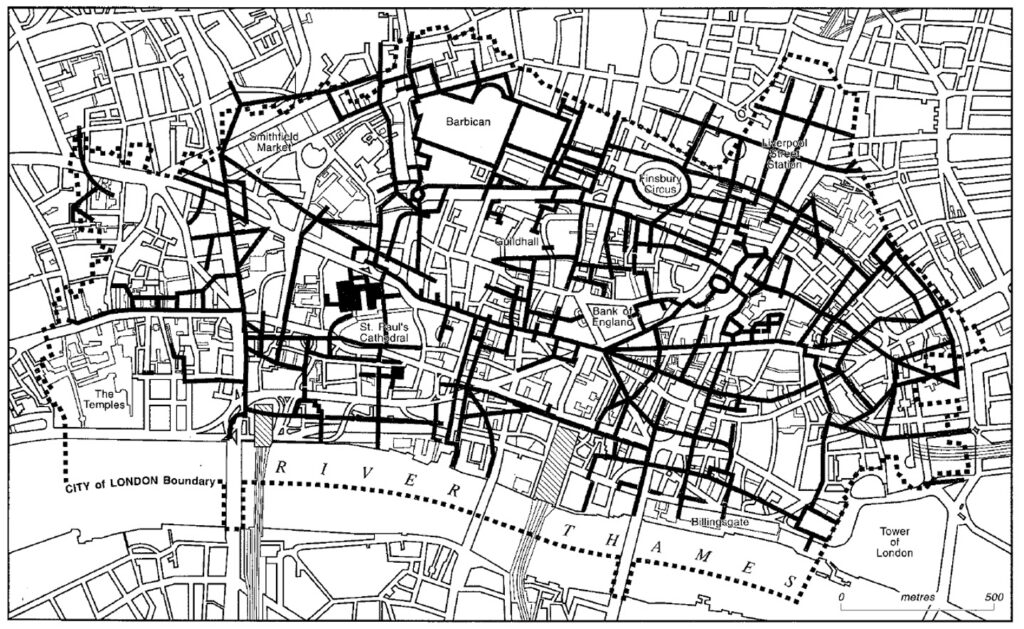
Through both Thomas and Simmel’s narratives, a correlation between the societal structures and urban space is evident. The walkways illustrate function-form relations where the functional characteristics of the industry have directed the formation of urban infrastructure. In addition, the psychological underpinnings of an urban society influenced through fast-paced and multi-scalar human exchange and transactions is supported by the proposal of the network of pedways. These transport corridors were largely unrealised ironically owing to financial constraints in terms of maintenance costs and a lack of use. As Thomas elucidates, “Pedways represented an attempt to rationalise and make knowable the financial centre’s informal spatial traditions at a time when the underlying financial system was becoming more and more unknowable.” In this illustration, a detachment in the societal structure in a post-war industrial metropolis is evident as compared to a pre-modern city defined through medieval alleyways and intimate urban spaces that fostered informal human relationships. In addition, elevated walkways provided spatial solutions that represented the needs of a psychologically transforming society, in an evolving urban context.
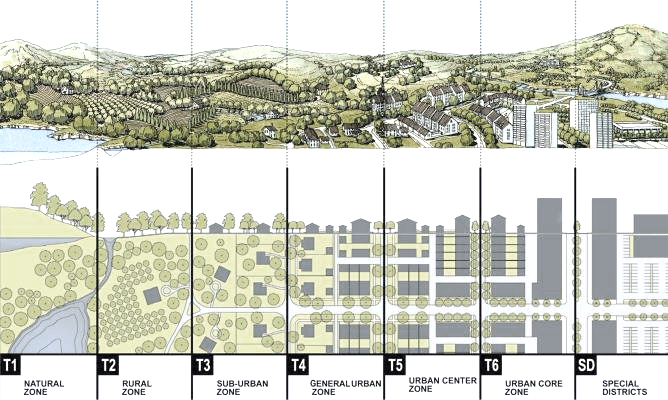
The contrast in the author’s observations seeks to present alternate forms of interpretation with regards to urban and rural intellectual processes that cannot be determined purely in the form of binary oppositions. Simmel identifies interpersonal relationships between the maker and his client in a pre-industrial context where automation and mechanisation hadn’t intervened to alter transactional relationships. With a transformation of methods of production and consumption, the metropolis underwent radical changes which in turn affected its perception of the individual and in relation, transactional relations driven by a market economy. In this context, the author contends, “The modern mind has become more and more a calculating one.” He critiques the impact of the money economy on individual character traits that has instilled quantitative approaches replacing a qualitative one. In a post-modern context therefore, developing an intellect, societal relations and spatial configurations determined through an integration between a mechanised practicality and intuitive, emotive and speculative realty articulates the challenge for a foreseeable future.
[1] Janice. E. Perlman, Marginality from Myth to Reality: The Favelas of Rio de Janeiro, 1968 – 2005, (2007)
[2] Guy Debord, The society of the spectacle , (1967 [1994]).