Toward a Typology
Relations between architectural form, function and type
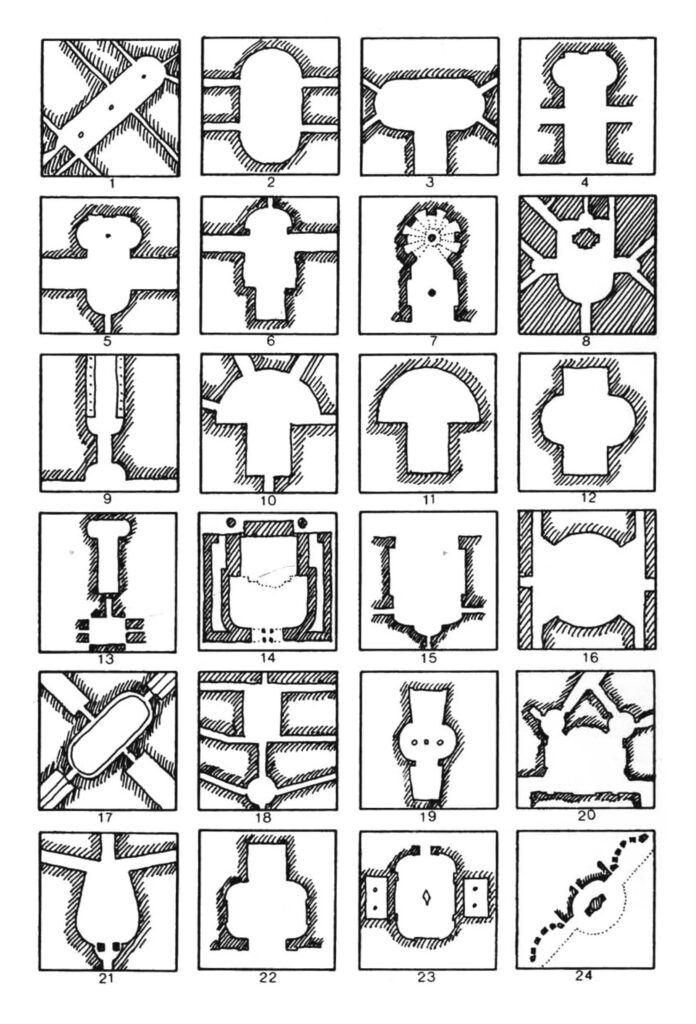
Architectural form is classified by means of typological variations. A repetition, or multiplicity of form contributes to the generation of a Type. Typology can be defined as the formation of classified groups or series based on formal and functional similarities between architectural objects. The architectural elements constitute form and enclose space alongside the primary functional components that characterize built form. By Moneo’s definition, the “typology” or “the question of type” essentially represents the very nature or character of the architectural work. By his definition, Type is “a concept which describes a group of objects characterized by the same formal structure.” Distinct from a spatial diagram on an average on the list, Moneo emphasizes that the means by which a class of objects can be rendered as a Type is defined primarily by its capability to be repeated. In this regard, the author states that “type is fundamentally based on the possibility of grouping objects by certain inherent structural similarities.” He reinforces the idea stating that Type represents the “act of thinking in groups.”
Alan Colquhoun interprets Typology as a path for communication which represents the essential link between historical precedents, their influence, the point of creation and the context or reality within which the newly conceived architectural object is to be placed. He states that, Typology, more than presenting as a means for communicating architectural form, should be perceived as the starting point with regards to architectural production.
The evolution of a type is determined through changes within the architectural discipline and the concurrent transformations of the object from one generation to another. In this way, transformations between the discipline of architecture, the architectural work and typology are inherently related. In addition, the essence of the architectural work is hinged upon wider networks of socio-economic processes, cultural and political landscapes that influence the generation of form, and by extension its classification into Type.
The creation of an architectural typology is carried out by envisioning an architectural form that seeks to challenge the existing dynamics within the city while addressing contemporary issues that emerge within the context it is situated within. It follows, that the architectural expression is contingent upon the epoch and the transformative relations between Type, Form and Function as previously stated is exemplary in this regard. This is to say, the relationship between Type and Form has been reconfigured to one that emphasizes relations between Function and Form with time.
Moneo discusses the evolution of an architectural type that is established by means of a theoretical framework directed at creating a reading of the built form and the intent of its makers. The object created by means of a theoretical understanding, is therefore indicative of the type of work the architecture results in.
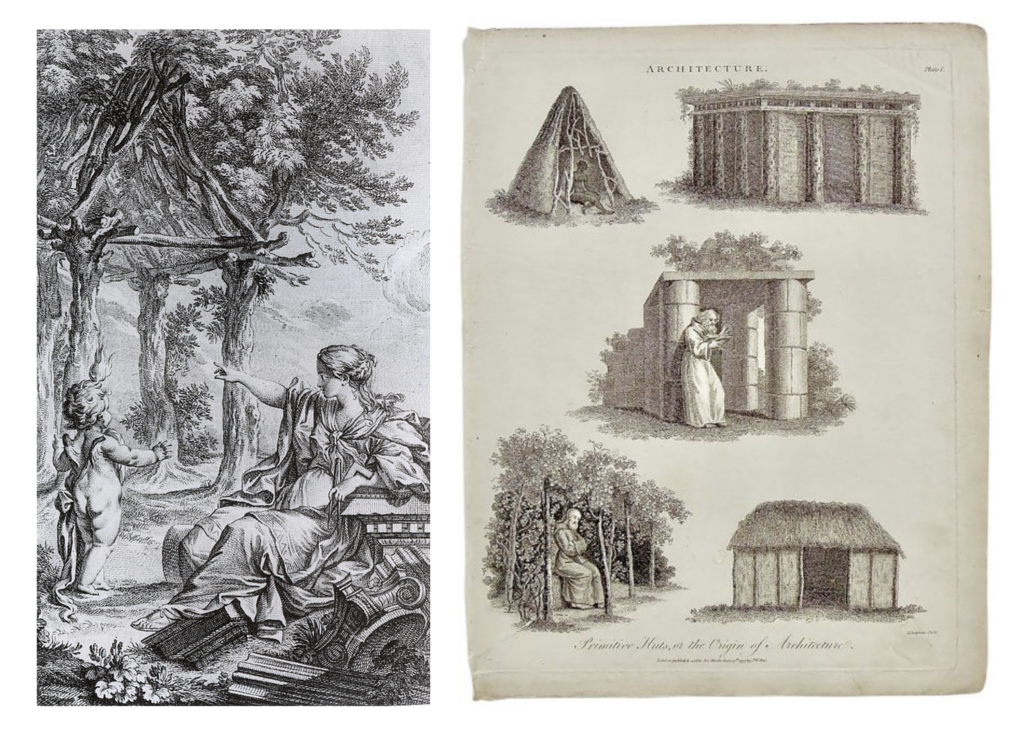
The architectural object finds meaning through formal expressions and in their capacity for reproduction. This is determined through the basic formal and functional relationships that contribute towards the creation of a formal work of architecture – the form that gains prominence through repetition in myriad variations. Consequently, Typology in this context, emerges as a defining characteristic of architectural form. Early formal expressions defined a typology, and in this regard, the primitive hut serves to function as a significant case. Additionally, the evolution of typological forms from the primitive hut to the courthouse represents a societal transformation in every epoch.
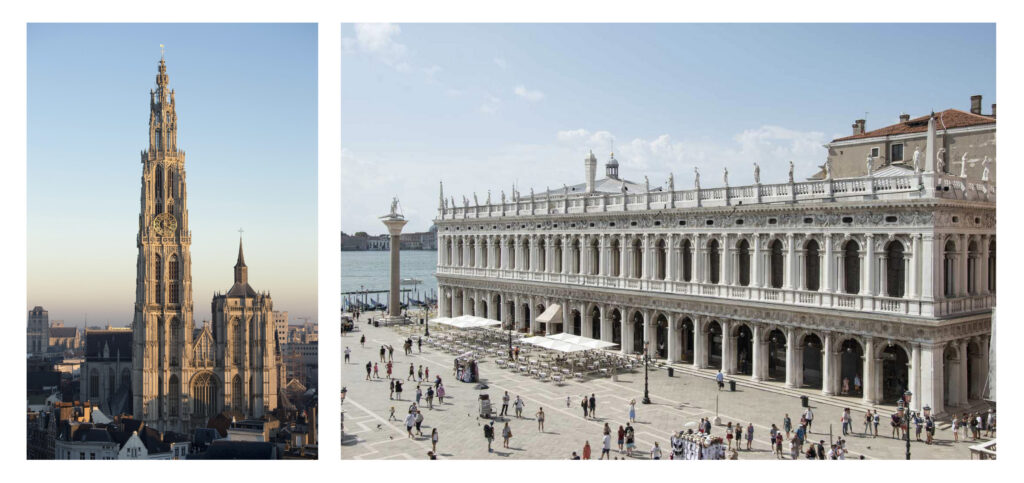
Typology has been regarded as an architectural method for classification, known to eliminate singularity and uniqueness inherent to artistic practice. However, hierarchies within typological form itself have prompted a revision of this understanding that reintroduces specificity, originality and uniqueness of the object within the order of its classification. The Gothic Tower and the Renaissance Palace can be categorized as skyscrapers. However, they are more commonly associated with their stylistic distinctions of Renaissance and Gothic architecture that emphasize their originality and celebrates their specificity. Consequently, Typology, primarily an architectural device for creating classes of form, is evidently made more nuanced and complex perceived through an artistic lens.
Typologies are formed through multi-scalar processes that classified based on the scale of architectural element and alternatively, at the scale of the architectural object.
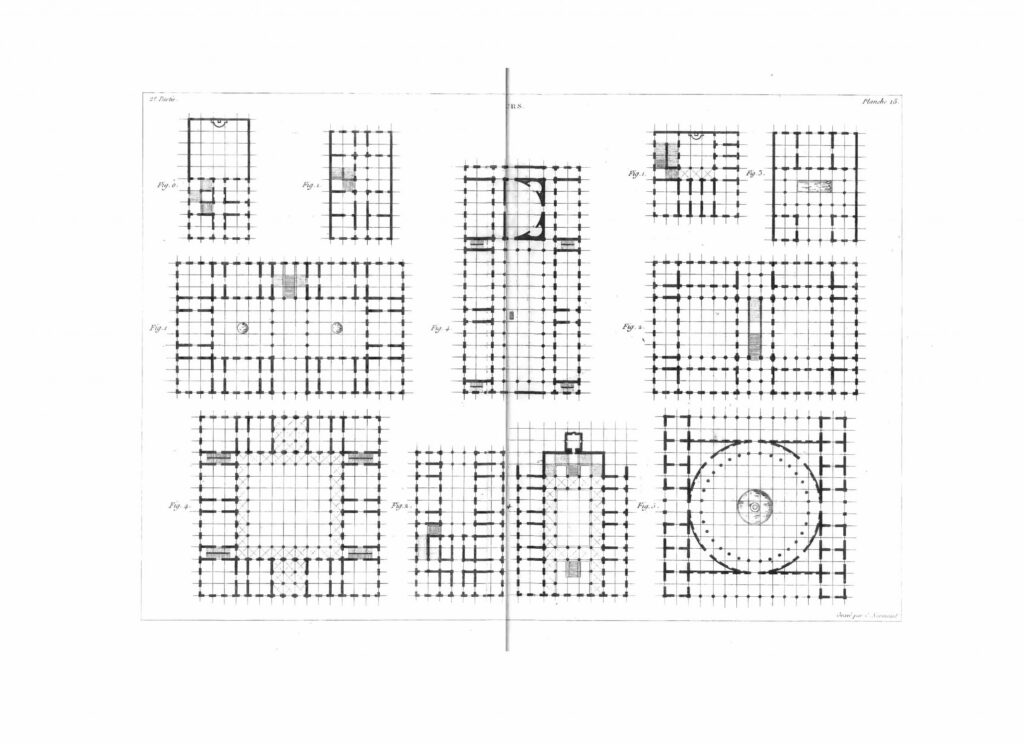
For instance, “the column”, “the courtyard”, “the courthouse”, is representative of a class of objects through which its basic identity gains prominence by repetition. In this regard, the column has been incorporated and acknowledged as a basic element for architectural conception in numerous cultures and contexts. From variations within the Roman Classical system, comprising of the Doric, Ionic and Corinthian styles, representative of a masonry structure, to more contemporary associations of the column represented through modern materials, the column has contributed to an evolving architectural language. Similarly, the courthouse, alongside other forms, have been typified in multiple contexts as forms of architecture essential to the fundamental composition and collection of city infrastructure. Expressions such as the column and the courthouse, exist as components of a larger framework composed through architectural objects that define the nature of the built environment in any metropolis. As typological variations, they are identified based on commonalities – the vertical support in the case of the column, and the law courts and offices which emphasize the functional and programmatic aspects that constitute the courthouse. In comparison with the column that is identified as a formal expression, the courthouse is primarily conceived as a functional space interpreted and inhabited in distinct ways.
To illustrate a process of grouping in which hierarchies from the generic to the specific adds complexity within its structure, Moneo employs the skyscraper as an example that potentially encompasses a wide range of tall buildings. A more focused grouping or identification of type can be exemplified as the Renaissance Palace, the Gothic Tower or the Pyramid, which returns the idea of Typology to the specific built form. Consequently, Typology manifests as the means through which architectural form finds meaning and is read, interpreted, classified and multiplied. As a methodology, Typological classification has served to function as a means by which rural and urban environments have been shaped. Through typology, the specificity of form is communicated to a class or category of generic forms, relating back to the original identity.
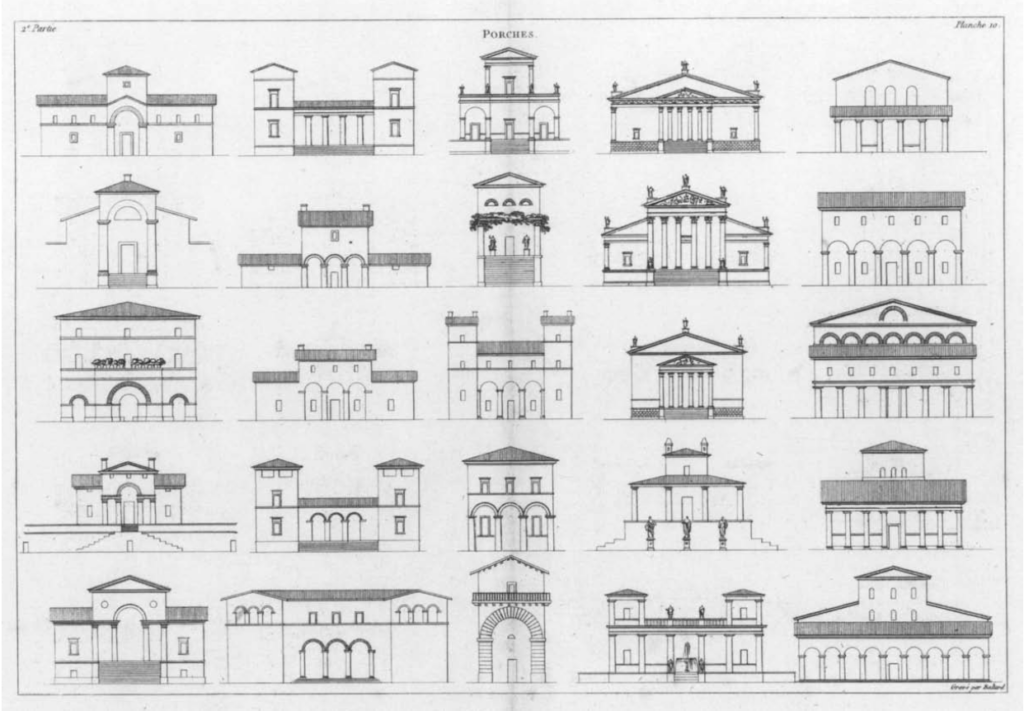
Typology can be discussed as a methodological practice that “classifies, communicates and generates Form.” Moneo observes that, “ The design process, is a way of bringing the elements of a typology – the idea of a formal structure – into the precise state that characterizes a singular work. ” The design process therefore entails the conceptual dismantling of the typological identity into its constituent parts prior to the creation of a new form. It follows therefore, that the creation of a type, through the deconstruction of form into its constituent parts, is facilitated by grouping these parts with parts of other forms to constitute a type.
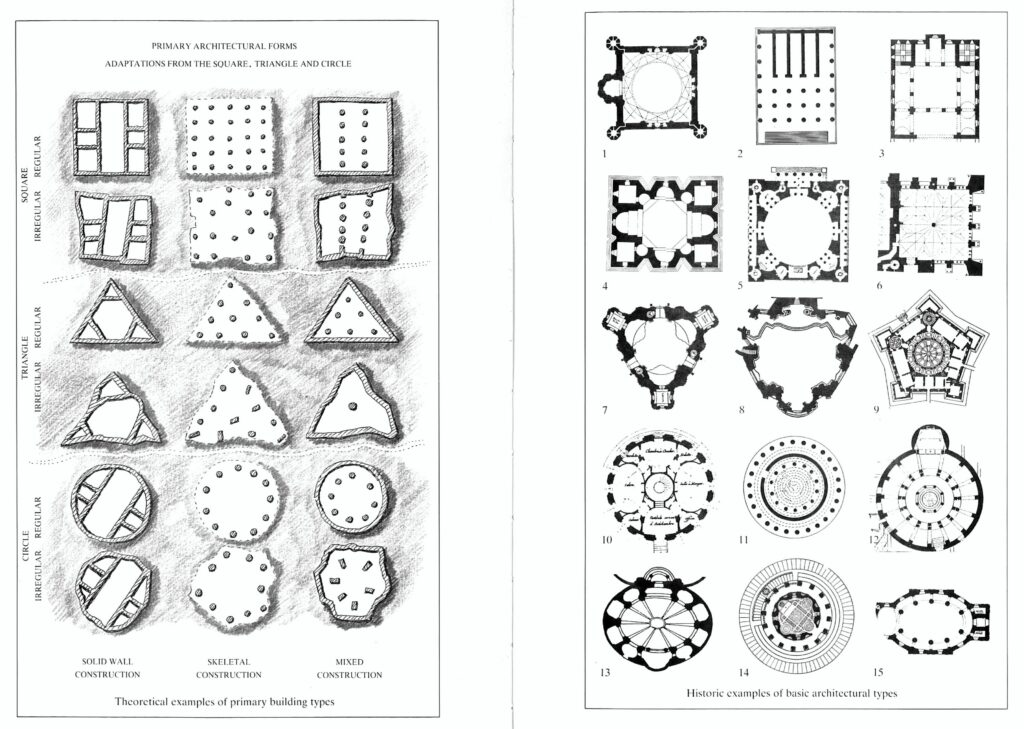
The author observes, that based on Gestalt psychology, – characteristics that define and contribute towards the production of architectural form can be identified as :
- Centrality
- Linearity
- Cluster or Grid frameworks that aid the classification and interpretation of form as geometrical objects which manifest through a layered complexity.
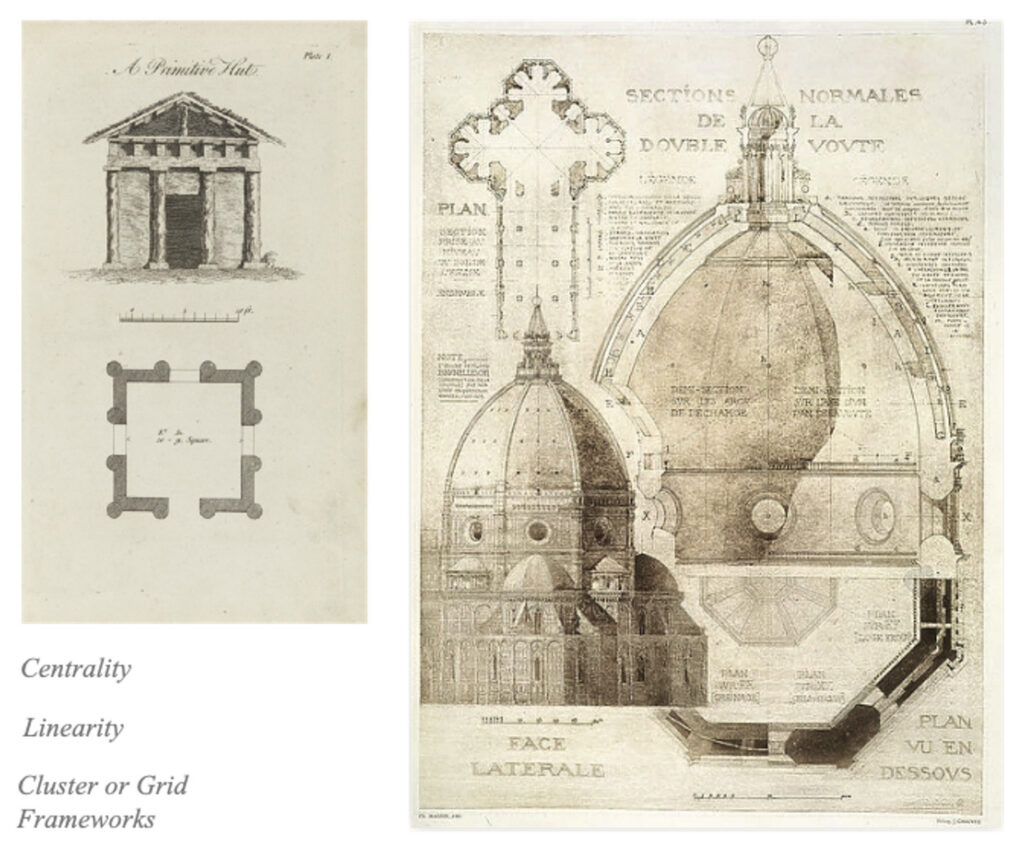
Gestalt psychology and architectural form
Based on this understanding, Renaissance domes and the primitive hut can be classified into the same type. In this context, the notions of ‘centrality’ or ‘linearity’ operate as parameters that guide the interpretation and reproduction of these forms. They are skeletal frameworks by means of which Form is created, and multiplied. Type, perceived through the conceptual framework created by Gestalt psychology, is concentrated entirely on its geometric features. By contrast, the author observes, that the idea of type is a formal structure that extends beyond its geometrical implications. For instance, “Form” represents the influence of societal structures and activities, and corresponding material and technological responses that address societal needs.
Similar to Style, historical period or time, is yet another factor that has a considerable influence on formal groupings. In this context, an architectural form that emerged in a specific period is defined through a typology distinct from one that classifies the same element in a different period. As a result, a typology can be derived based on the distinct elements that comprise form. Alternatively, each architectural element is representative of a typology itself, based on the architectural style, historic period, its geometry and the societal influence on its formation. The relationship between these elements which belong to distinct typologies further define a form, which, in relation with other forms, is classified as a typology. In this way, the author seeks to illustrate the multiscalaity and overlaps within the concept and process of typological structures.
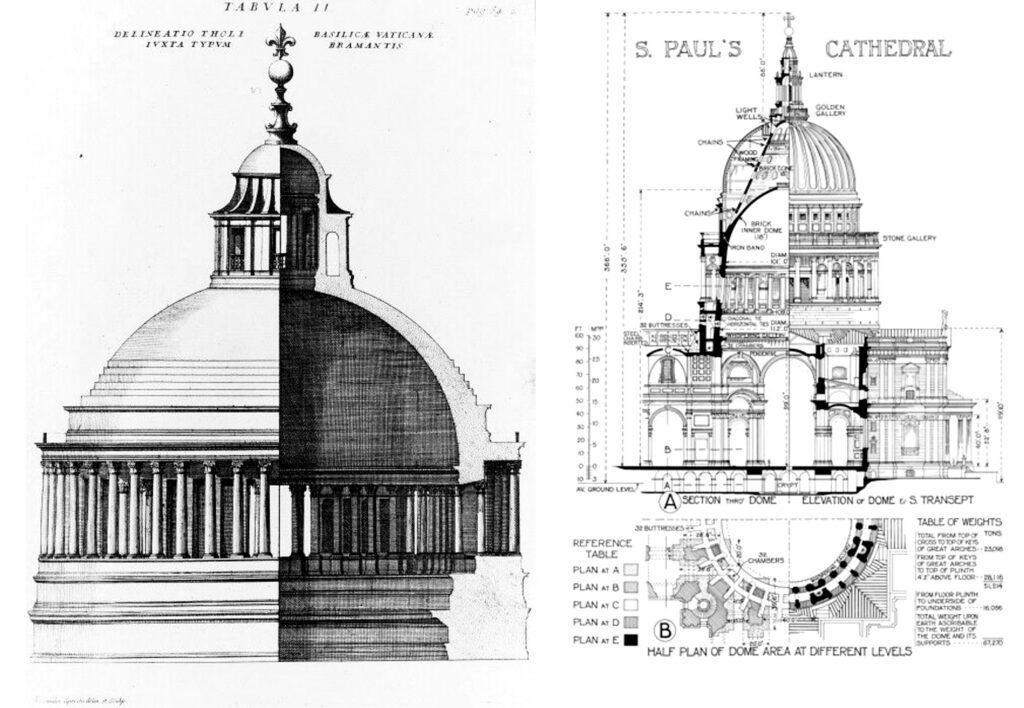
To exemplify this understanding, a specific characteristic of the Renaissance Dome that rendered it an architectural type, the author discusses the relationship between the (1)The Classical Dome and the (2) Post-Gothic Lantern which as typological elements in their own right create an unprecedented typology by means of the Renaissance and post-Renaissance Dome by Brunelleschi which has been repeated for over 300 years. The Renaissance Dome was redefined in the Enlightenment era, through a transformation it its formal features, that defined its composition, such as the relationship between the dome and the lantern. The change contributed towards the generation of a new typology – namely the Enlightenment Dome. The author seeks to illustrate the idea that reconfiguration of formal features is instrumental towards the creation of a new typology, which further evidences the assumption that Form and Type were bound by means of a reciprocity and were influential towards the conception of the other.
Periodic classification and the evolution of Typology
Architectural theory classifies the evolution of Type and Typology based on four historical periods and their distinct perception and interpretations of the conceptual framework.
- Firstly, the 18th century which terminated in Quatremere de Quincy’s characterization
of Type-Form as a phenomenon and a dialectic, sought to classify formal expressions and serve to function as a generator of Form. The conception of Typology successfully transformed by means of Durand’s interpretation which hinged upon the classification of formal structures based on their program or use, thereby leading to the conceptualization of the Function-Form relations guided through instruments such as composition which redefined the initial Type-Form assertion made by Quincy. During this period, the idea of Typology transformed from one that was determined solely based on architectural elements and their juxtaposition within a formal structure, and informed through a past repertoire of formal elements, to one that sought to respond to transformative societal needs and requirements. In this regard, program served to function as a new determinant for form that reconfigured Type-Form relations to concentrate specifically on schematics and compositional aspects which assumed a more influential role in the production of Form, and subsequently, the creation of a Type.
- Type, in the nineteenth century was defined through Program, which subsequently evolved as Function-Form relations in the Modernist Period. Type was redefined as “genre” by Durand which during the nineteenth century sought to reconfigure prior conceptions of formal classifications and relations between Form and Type. Durand’s use of the term “genre” suggested a new direction for formal production and classification. In this regard, “genre” implied a class of buildings categorised with regards to their use or program, and responsive towards contemporary societal needs. Form, now identified primarily based on its programmatic composition, inventorised architecture as a series of places including hospitals, prisons, palaces, libraries theatres, and custom houses, barracks, town halls and colleges.
- Rossi’s conception of Type that emerged during the 1960s and 70s drew on Type-Form relations based on the Pre-Modern conceptions of Type defined by Quatrmeere de Quincy, Argan and Rogers. Rossi’s conception of Type was based on the idea that Type manifested as a “functionally indifferent” ideology. In his opinion, Type embodied the ‘internal logic’ of forms, not by means of the techniques or programs that influenced formal conception especially in a Modernist and post-industrial era. The architect identified elements that contributed toward the conception of form through spatial organization. The corridor served to function as a ‘primary type’ that was available for incorporation within a myriad architectural form regardless of their function. the author states that the corridor could be included within a house, student residence or a school serving the same function, albeit in different capacities and scales. The author laments, that the corridor in this context served to exemplify a primary type alluding to a past that was rapidly dissipating, and in this context, the architect’s responsibility in preserving these associations and initial conceptions by means of the singular architectural object had become paramount. With regards to Rossi’s perception of the city, historical influence regained a prominence by means of which the architectural object or element was perceived as a type in relation with its original framework of conception. The ideal city, in Rossi’s perspective existed therefore, as a collection of architectural elements, forms and Types inherently associated with their historical origins, that which influenced a context that celebrated the Type-Form dialectic, where architectural history was synonymous with the history of Typology.
- Finally, with regards to more contemporary notions of form as generated by means of parametric and digital design techniques, the notion of Type has been revised even further. A reconfiguration of the conceptual framework has been facilitated which seeks to reflect the changing course of architectural production. The period is somewhat resonant with a nineteenth century architecture that sought to depart and critically examine established traditions in building practices, subsequently influencing the conception of new formal expressions and typological classifications.
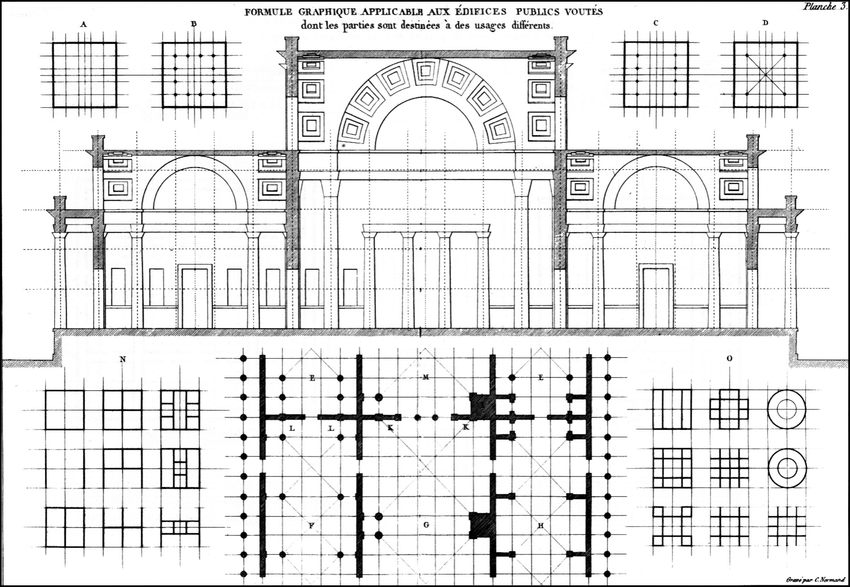
Moneo observes, that the act of defining a typology from an existing inventory of architectural objects within a landscape, established the makers’ relation with a larger cultural context and corresponding societal needs. By translating an undefined notion of Type into material reality, the architect sought to relate to an existing context, while at the same time, contributing towards the establishment of a generic type within this context. In this way, the author imagines and relates the process of typological formation, by means of the architectural object, from an ambiguous, unrefined ideology to one that gained definition through architectural conception and production. As is evident, while architectural form evolved influenced by history, Type developed in relation with and assisted by the conception of the architectural object.
The significance of type has not been entirely eliminated and formal conceptions in the present have demonstrated a need for the incorporation of typological frameworks. The idea of Type remains prevalent in relation to the architectural object. As a result, it can be instrumentalized towards the interpretation of the architecture and the built environment in the present.