The Metabolist Movement
Between Frame and Fragment
The late-nineteenth century signified a cross-cultural and architectural exchange between Japan and western countries, marking the advent of modernism in Japan. In this regard, Japanese history can be classified into four generations. The first generation was characterized by the Meiji Period society, who, as founders of the modern movement in Japan established several private universities, enterprises and industrial organizations. The founding of institutions such as the National Kobu Daigakko introduced formal education in the architectural discipline, replacing the apprenticeship system of carpenters and construction workers. These universities produced scholars and professionals who introduced significant western stylistic traditions into Japanese society. Baroque, Renaissance and other architectural styles revolutionized the design of banks and government buildings, thereby shaping identity and built heritage. The second generation served as a post-industrial return to Old Liberalism, referred to as Taisho Democracy, and the incorporation of traditional Japanese aesthetics into western industrial age buildings. The use of tiles on a concrete flat roof demonstrated a nostalgic association with past aesthetics and tradition and an attempt to amalgamate two distinct styles and technologies.
Further attempts that initiated a stylistic exchange included the East Asia Co-prosperity Sphere during World War II, which served as a means of exporting ultra-nationalistic Japanese architectural styles. A perceived lack of understanding and ability to create well-articulated cross-cultural forms led to the failure of the second generation leading to the introduction of post-war changes through the third in response to altered means of production. The fourth generation forged in the aftermath of the nuclear bombings in Japan was referred to as the Charred Ruins School. In this context, Classical European architecture and ultranationalist styles seemed decadent and instead paved the way for Jodo Buddhist influences on architectural practice.
Only by the 1950s did modern architecture begin to influence Japanese architectural form through the introduction of CIAM and the ideas of Le Corbusier. In addition, projects such as the Peace Centre in Hiroshima signified attempts to salvage a ruined city through commemoration. In contrast, others opined that only a complete overhaul with a redesigned city would adequately serve its interests. The World Design Conference in 1960 sowed the seeds of a fourth generation with radical and progressive intent, unimpressed by the attempts of the previous years. The 1960s formed a period of economic progress and political strength that restructured socio-political relations. A shift in perception enabled an inclusive approach, with new professionals gaining prominence in all spheres. This expansion within professional networks created opportunities to envision a future for the built environment in a post-war context.
Metabolism
The Metabolist movement emerged in response to a lack of coherence in architectural form and expression that would provide a comprehensive image or identity in Japan. The movement materialized during the preparations of the World Design Conference over two years, culminating in the publication: “Metabolism 1960 – a Proposal for a New Urbanism.” A Theme Committee was formed to discuss a diverse range of topics, including avant-garde architects and graphic and industrial designers, along with pioneers in the crafts, textile, interior design, city planning, education and criticism under the guidance and leadership of the Secretary-General, Takashi Asada. Significant figures in the committee, including architectural critic Noboru Kawazoe, architects such as Masato Otaka, Kiyonori Kikutake and Kisho Kurokawa, industrial designer Kenji Ekuan and graphic designer Kiyoshi Awazu formed the Metabolist group.
The Metabolists regarded human society as a process of genesis and intended to demonstrate this through design. The movement symbolized more than an acceptance of a natural, historical process in design; it aimed to generate a metabolic societal development initiated through design. The Metabolists believed in a systems approach that connected human society with all forms of living beings and their habitat. In addition, they believed that technology formed an extension of humanity instead of emerging as a tool that contested organic processes. The term “Metabolism”, coined by Kiyonori Kikutake, employs a biological analogy which has been conjectured to reference Le Corbusier’s concept of the house as a “machine for living”. The concept of an encompassing framework with independent, modular, moving, functional parts proved significant to groups such as the Archigram in the later years, producing the image of the futuristic organism.
Typology : Megastructure
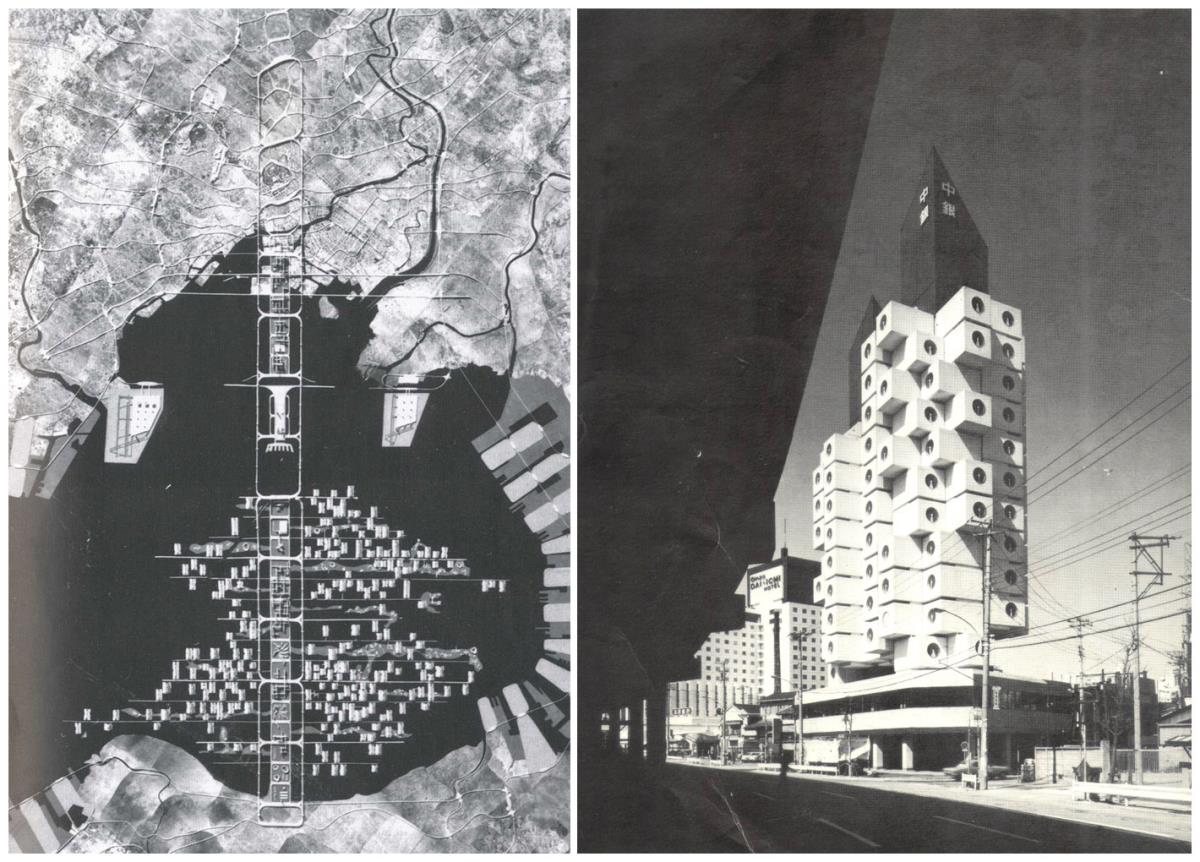
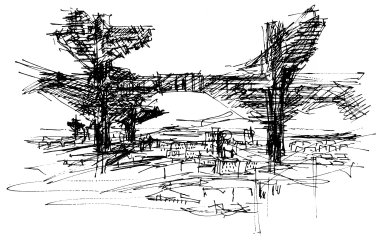
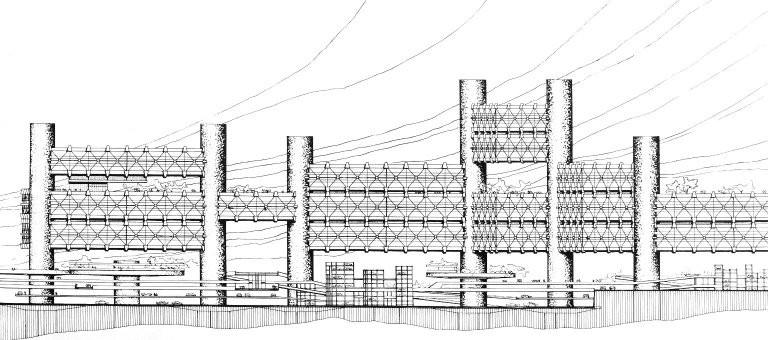
Megastructures, a class of buildings forming a larger skeletal framework consisting of subdivisions with modular units, emerged as a product of the Metabolist Movement. These smaller modular units comprising rooms, houses, mixed-use appendages and smaller prefabricated buildings would sometimes attach themselves externally to the core of the form, creating a plug-in or clipped-on megastructure. Their articulation would enable unlimited expansion. The Megastructure typology was a result of large-scale public works projects meant to provide architectural solutions to address economic instability. They have been known to house universities, expositions, municipalities and central governments.
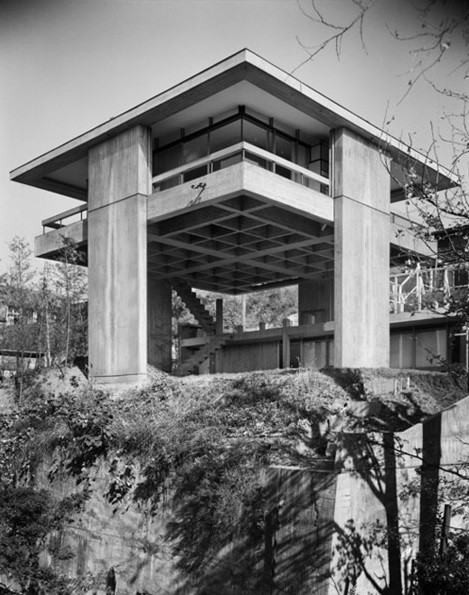
Roots of Metabolist Philosophy
Japanese social history provides evidence for formulating the Metabolist philosophy and the organizing principles inherent to megastructures. In particular, changes in demographics, mobility and the direction of technological advancement in modernization have influenced Metabolist thinking.
Population
A surge in population owing to an increase in birth rate resulted in a growing ageing demographic during the later 20th century. Modernization and advancement of the economy, the medical sciences and the environment leading to large-scale adoption of sustainable life processes lengthened the lifespan of citizens. A change in the demographic constituency led to inevitable changes in spatial forms and enclosures and a greater need for housing. In this regard, older construction methods proved inadequate to supply the required number of affordable housing units. This predicament prompted a need for the industrialization of residential architecture leading to discourse on the role of the architect in a post-industrial society from an individual who passively accepts the changing pace brought on by industrialization to one who channels technology into satisfying the spatial needs of society.
Mobility
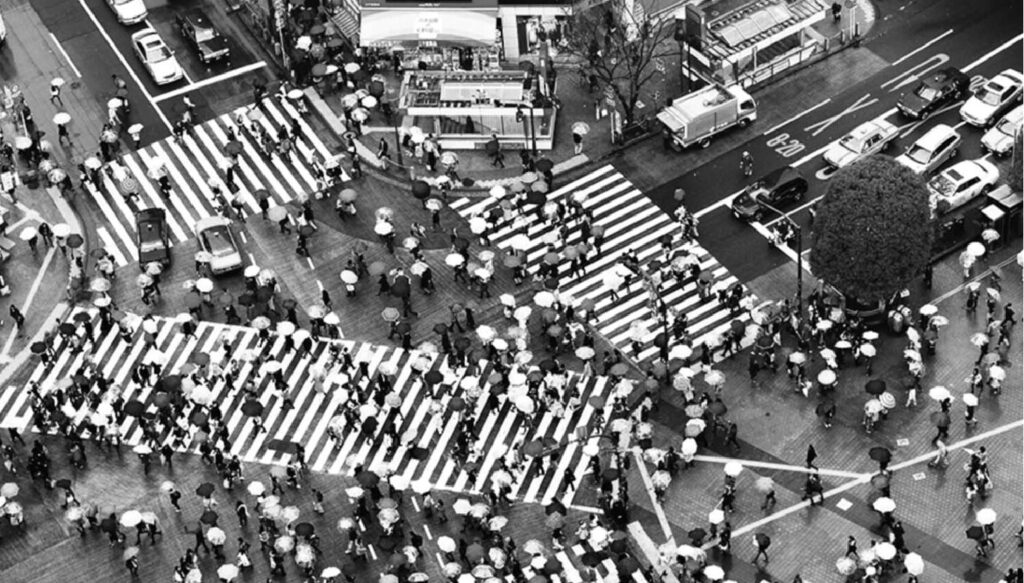
Secondly, mobility among the Japanese has been a ritualistic cultural practice. Mobility in terms of a shifting population and territorial changes were exemplified through changes in their capital city, the mandatory annual visit of the clan lords to the capital and the “seasonal shift of the labour force” from the rural areas to towns and cities. In addition, travel and religious pilgrimage to various temples and shrines across the country have ranked highly as leisure activities. Mobility is a factor which has led to temporary but significant changes in demographics across regions as a result of travelling wage earners, students, clubs, associations and recreational organizations. These demonstrated certain cultural traits responsible for the characterization. This societal characteristic has suggested dynamic spatial responses generated explicitly due to urbanization and distinct communal cultural practices. In particular, the trend of mobility across disparate sections of society, communities and professional circles reoriented urban design strategy to the articulation of connectors – streets, pathways, roads and transport corridors. Japanese streets have served as distinguishing factors between Western and Eastern cultures, with no clear boundaries established through an oriental road network.
Technological Advancement
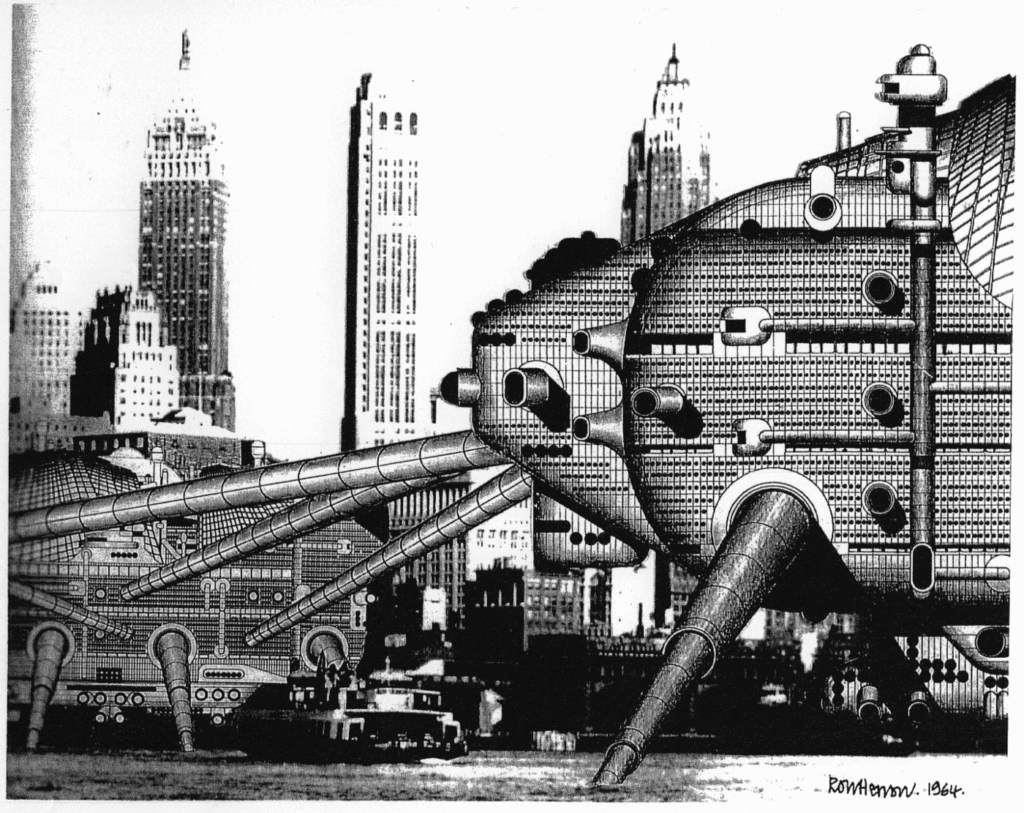
Thirdly, technological advancement and its influence on Japanese society have functioned as a driving force contributing to the collective Metabolist conscience. During the Meijo Restoration, the master of Japan was removed from power and replaced by the emperor. These changes in governance were aimed at facilitating a Western influx of technological advancement and modernist methods, binding “technology, humanity and nature” together. In addition, an increase in industrial processes and techniques can be attributed to rapid economic growth in the nation. The megastructures stemmed from an intention of utilizing prefabrication as a method to restore organic human qualities to architectural and urban spaces. The hierarchy of architectural parts enabled the creation of personalized expressions establishing identity through distinct spatial conditions, as attributes lost in the homogeneity of form in modernist structures. Metabolism emphasizes the principle of replaceability of parts which cease to function as opposed to complete demolition to lengthen the lifespan of the building. The architecture attempted to draw relations between individual components and the building, between the person and society as two entities that would include each other while existing as contradictions. While the architecture is part of a building, it may not function as a part of the city. The theory of Metabolism relates nature, architecture, human beings and technology similarly sewn together through in-between spaces or the ‘en-space’. The oriental street exemplifies the in-between space with domestic activities such as dining and playing. This element creates an interface between the public and private realms, between the exterior and the interior. Similarly, open and covered corridors in traditional Japanese Architecture create linkages between nature and architecture.
Wood vs Stone
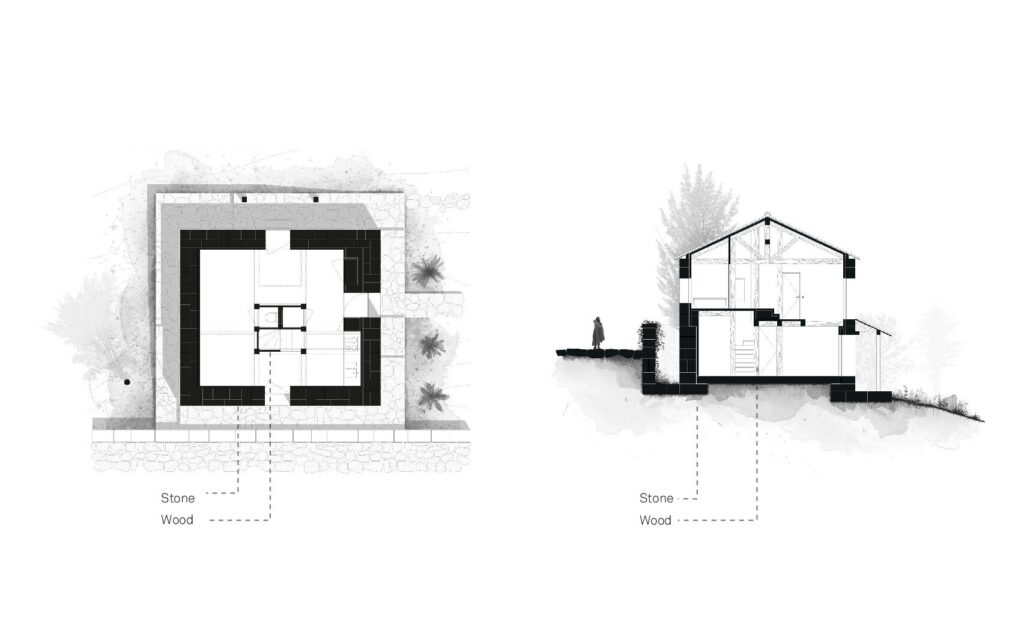
In contrast to the western incorporation of stone, Japan’s reliance on wood functioned as a fourth characteristic intrinsic to Japanese culture. The philosophy of continuity was better demonstrated through the material qualities of wood than stone. In addition, wood was used in its natural, unprocessed form, unlike s, the tone that was cut and processed, creating structures such as walls which made clear distinctions between the interior and exterior spaces. The use of this material, therefore, indicated a discontinuity between the natural and built environments.
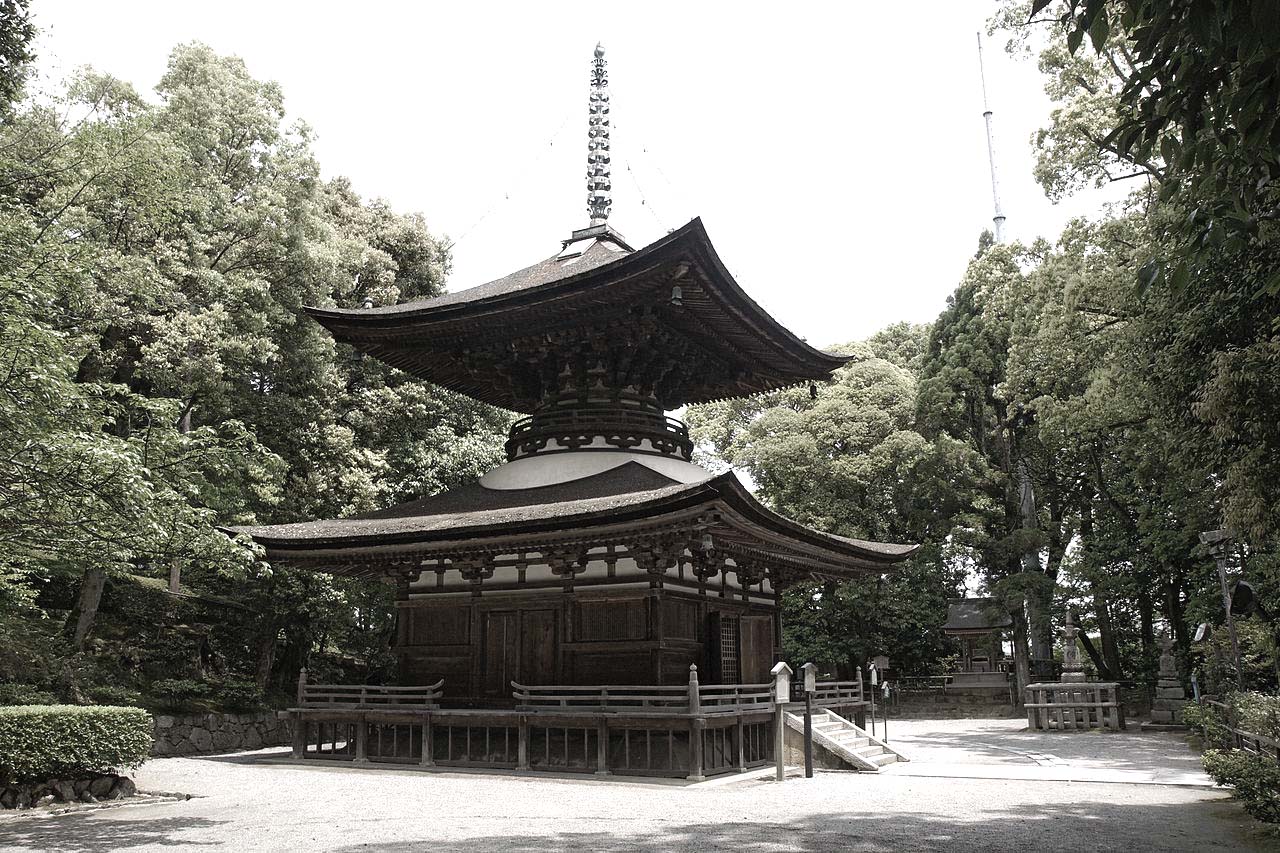
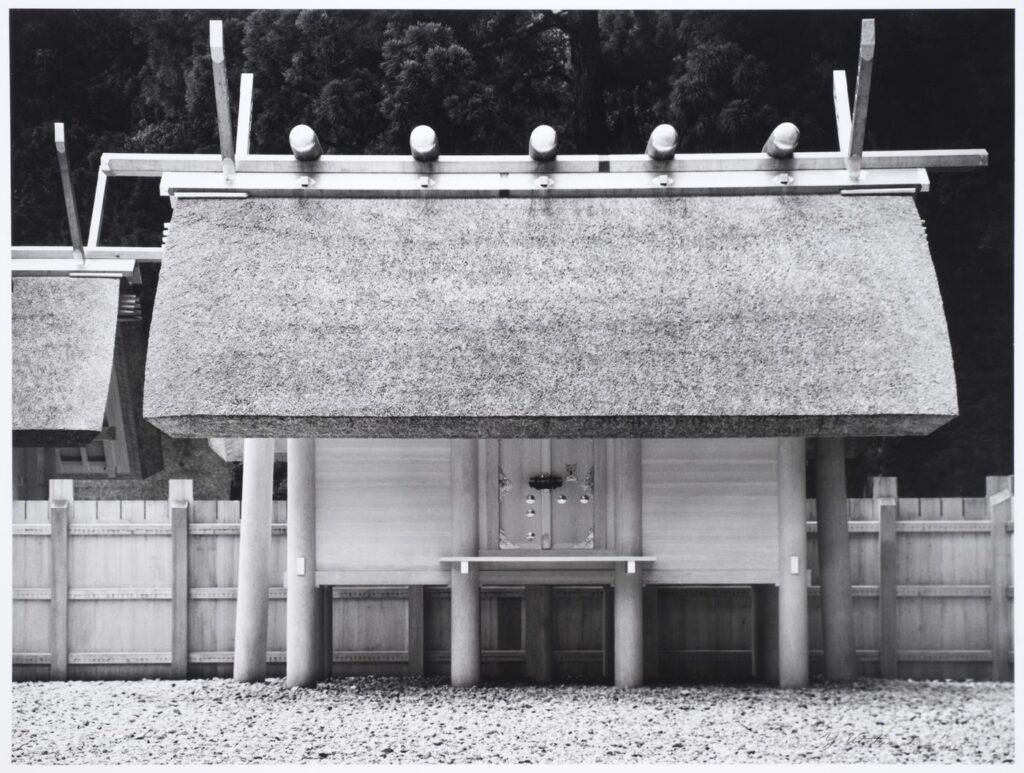
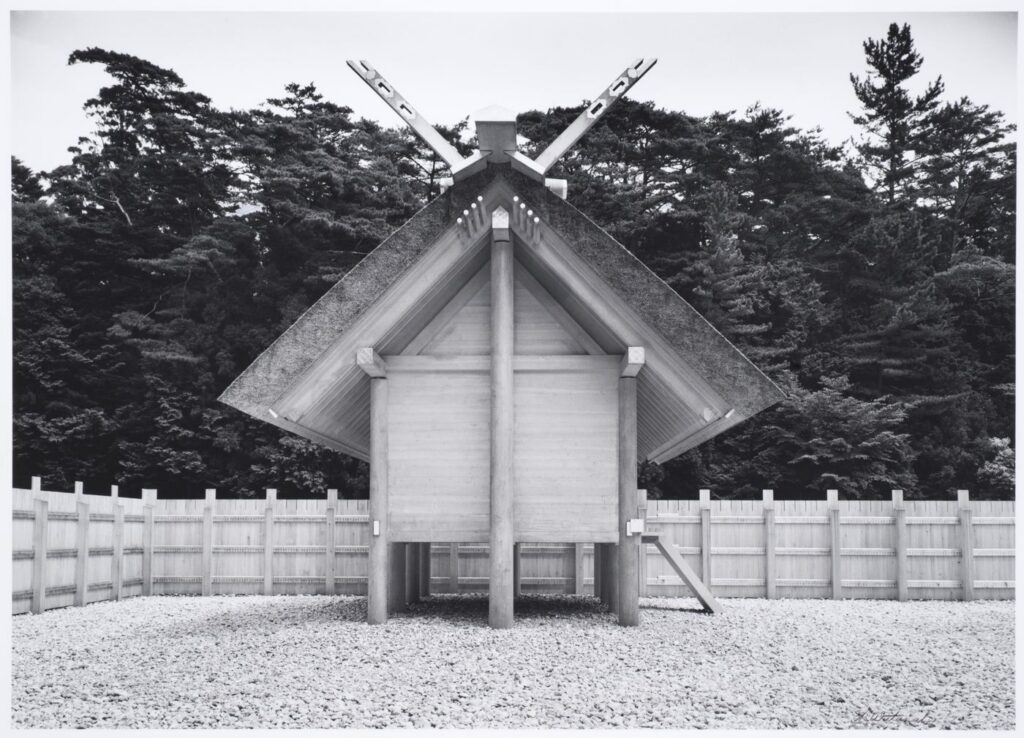
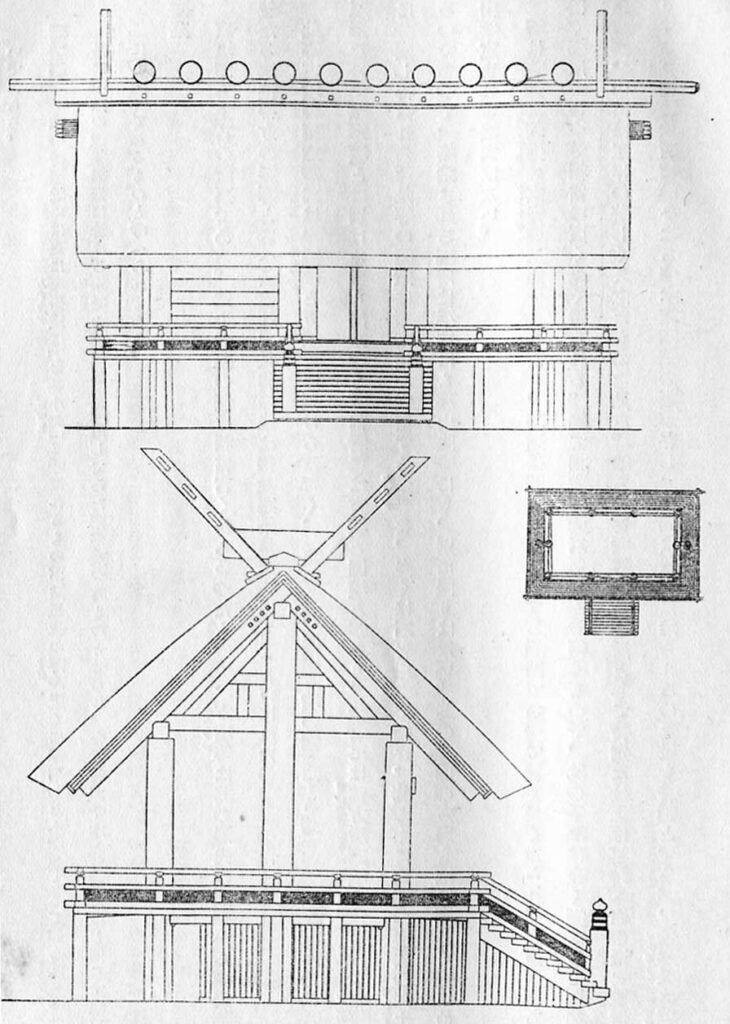
The Ise Shrine is a typology symbolic of traditional Japanese forms constructed in wood. This indigenous form has been preserved through replacement with replicas. In an attempt to prevent the risk of decay, age value has not driven conservation strategies in this context. Preservation has instead emphasized the significance of intangible heritage values associated with this typology, which are reinstated with each replacement at twenty-year intervals. The tradition of timber construction was carried out by carpenters who used standardized parts to build these structures. Wood has been used traditionally in Japanese homes as a finish, appreciated for its tactile qualities and regarded as a material which signifies the confluence of nature and man-made form.
These material preferences contributed to the creation of the “aesthetics of metabolism”, which supported the cultural and architectural practice of connecting “architecture, society and nature while constantly changing with the passing of time.” Industrialized techniques such as prefabrication have facilitated these connections between the built form and its environment.
Influence of Buddhist teachings
Buddhist culture formed the fifth characteristic of Japanese social history instrumental in the Metabolist movement. Introduced in the sixth century from Asia, religious practice was established through schools. However, it did not intend to dominate societal structure and cultural tradition. Buddhism’s contribution to Japanese culture manifested through spiritual and philosophical teachings influencing architecture, literature and the arts. In particular, wooden temple architecture exemplified the influence of Buddhist teachings and cultural practice that forged relations between architectural and natural environments, technology and humanity. Buddhist philosophy supports the notion of mobility, the extensive use of wood and the systems approach that connects human society with its environment. Furthermore, it supported all aspects essential to the Metabolist approach including the principle of replaceability, the cycle of Metabolism and the temporality of architecture.