Redefining Work and Home
Urban Migration and the Garden City Movement
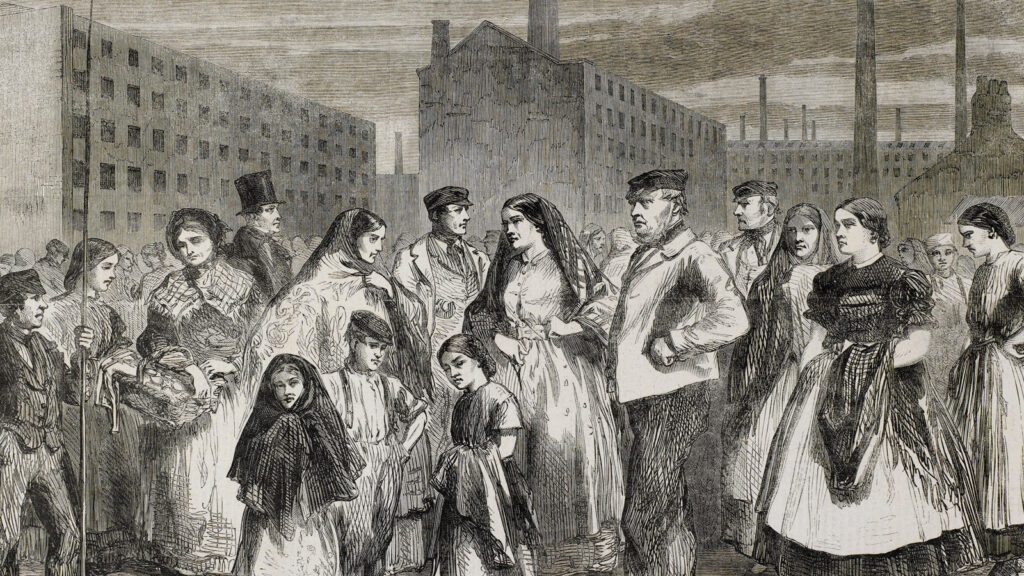
Eighteenth and nineteenth-century Britain witnessed a massive shift in population to city centres, contributing to a growing metropolis. Migrants from agricultural districts in England were motivated to find work, promising socio-economic prospects, housing and quality of life. This proceeded to create two significant problems. Firstly, it led to the overcrowding of city centres and urban sprawl, a universally persistent social and architectural dilemma that continues to ail socio-economic processes and the design of the built environment today. Secondly, mass rural migration led to the accumulation of unused, derelict and deteriorating rural territory and infrastructure. Both issues have collectively prompted the emergence of alternate urban solutions that address migration, housing, agricultural industry and the intensity and plasticity of the labour market.
The redirection of traffic back to the countryside and peripheral contexts that bridged the urban-rural divide was recognised as the only solution to address unchecked urban sprawl and rural dereliction. This could be facilitated by transforming rural hinterlands and habitats into nodes and attractors built to reflect and overcome urban popularity and counter territorial polarity. These attractors would manifest as social and economic opportunities for the resident rural population while relocating industry and workforce from city centres.
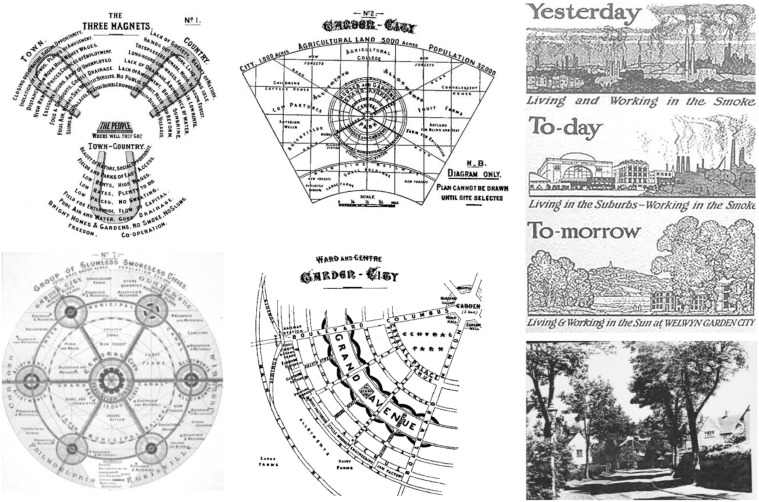
Ebenezer Howard (1850-1928) has been accredited with the “Garden City Movement”, an environmental and urban planning movement, an early 20th-century liberal utopian project representing a refined and ideal social model of industrialism and economic reform. The movement presented its ideals with the town placed in the context of planning, emphasising the existence of a town plan which would address the shortcomings of an incrementally growing organic metropolis. By limiting the size and growth of the town and preserving valuable green space, agricultural land, and forests, the need to reimagine urban life in small towns set closer to rural contexts was realised. The feasibility of the Garden City scheme was based on the idea of a “Garden City Company” that would purchase land from a landowner or developer and operate independently outside public urban regulations to industrialise the countryside and increase economic output. The original premise on which the Garden City was founded represented a social organisation of a new category of space bridging the urban-rural divide. The “Social City” vision surrounded by six satellite towns or Garden cities illustrates Howard’s drive to investigate land reform systems and town planning.
The interdependence, overlap and polarity that characterised urban and rural life have been illustrated in “The Three Magnets”, which depicts the nature and intricacies of both contexts, their advantages and shortcomings, and the subsequent superiority of the Town-Country dichotomy.
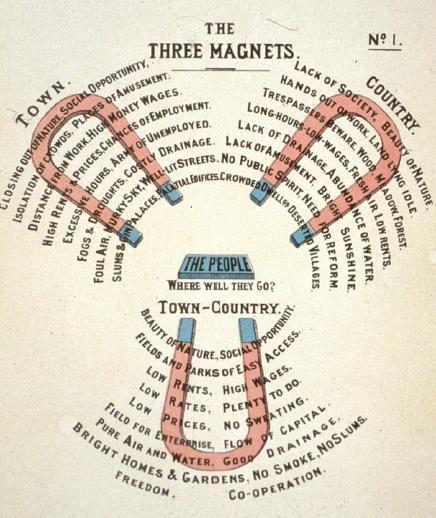
Urban work environments, as illustrated by the Town magnet, have been associated with higher incomes, promising employment opportunities and prospects of a higher quality of life and cultural exposure. The built environment has demonstrated a meticulous and well-integrated civic and public infrastructure that seeks to enable security, mobility and social cohesion. Alternatively, these advantages are negated by exorbitant living costs, everyday expenses, time lost in commuting, and overworked and underpaid qualified professionals.
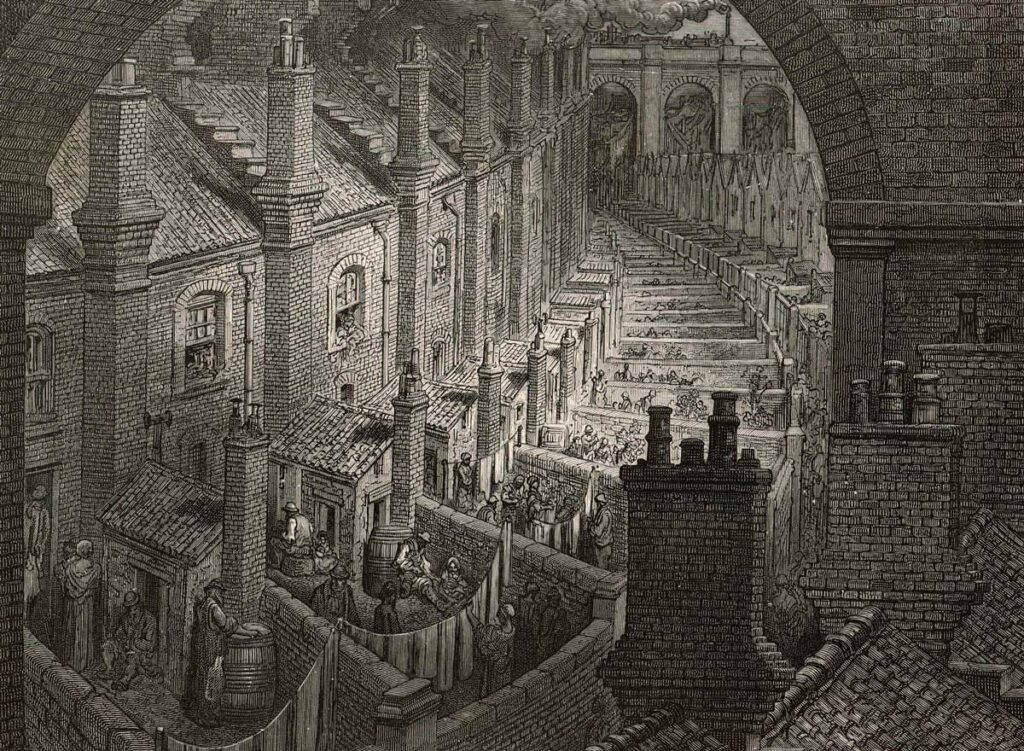
The illustration observes the pitfalls of the surge in construction that could not compensate for poorly lit and ventilated exteriors and public spaces. Furthermore, an inherent polarity within urban metropolises is evident in the increasing contrast between designed and manicured urban housing enclosures within inner-city districts and peripheral shanties, the material manifestations of social segregation.
The Country magnet is an attractor created through pastoral prosperity and nature’s abundance absent in urban territories. In contrast, the absence of social enterprise, culture and capital prevents the country magnet from reaching its potential and facilitating relocation from the city. In addition, a lack of economic prosperity due to limitations in industry and work opportunities is reflected in a significantly low cost of living. Insufficient rainfall, floods, drought and extreme climatic conditions have controlled the fate of farmers for decades. In addition, poor sanitation and drainage systems have contributed to the shortcomings that inhibit the Country Magnet from functioning as an effective attractor.
The conception of the Town-Country magnet was intended to create a comprehensive integration of urban and rural processes, capitalising on both advantages and seeking to eradicate mutual shortcomings. This would entail lowering rents and cost of living, improved social infrastructure, economic progress, employment opportunities, housing and public spaces. It would effectively manage sanitation, levels of pollution and the accumulation of squatter settlements. The plan would focus on social benefits, communal and collective agency. Through collaboration and interdependency, urban and rural territories can create a balance with significant socio-economic, political and industrial impacts that will benefit society.
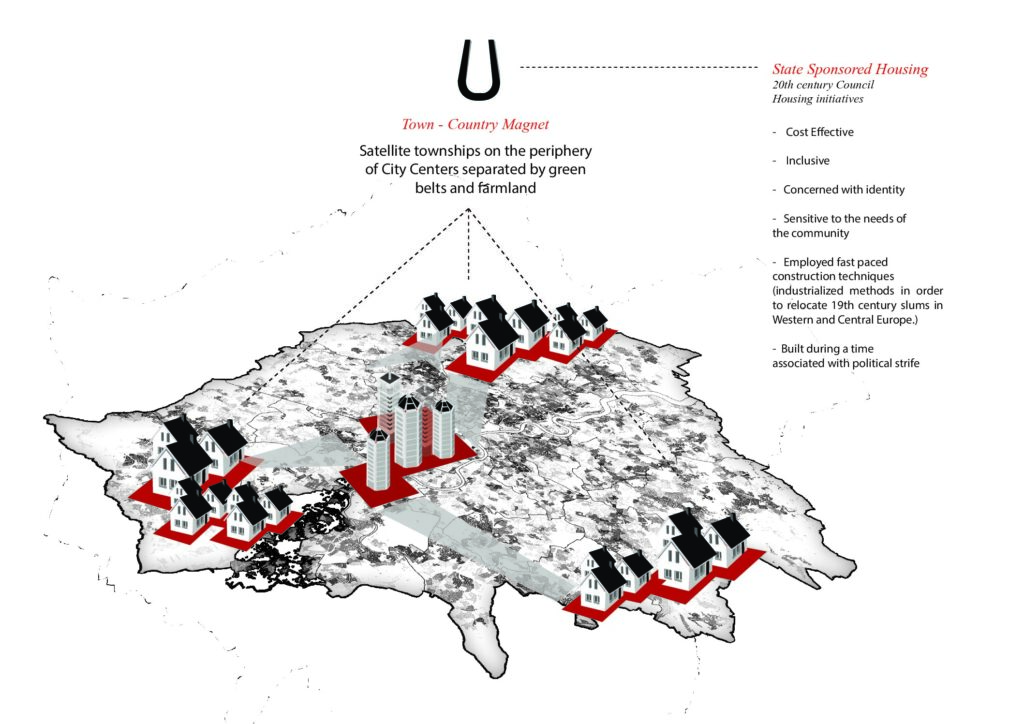
The image presents the Town-Country magnet as an alternative solution that addresses large-scale urban migration and the overcrowding of city centres. The emergence of satellite townships on the periphery of cities would redistribute the urban population creating distinct suburbs and separating work from home. These cost-effective initiatives sought to reinstate identity in communities and social collectives during times of political unrest.
Challenges in relocation – The London context
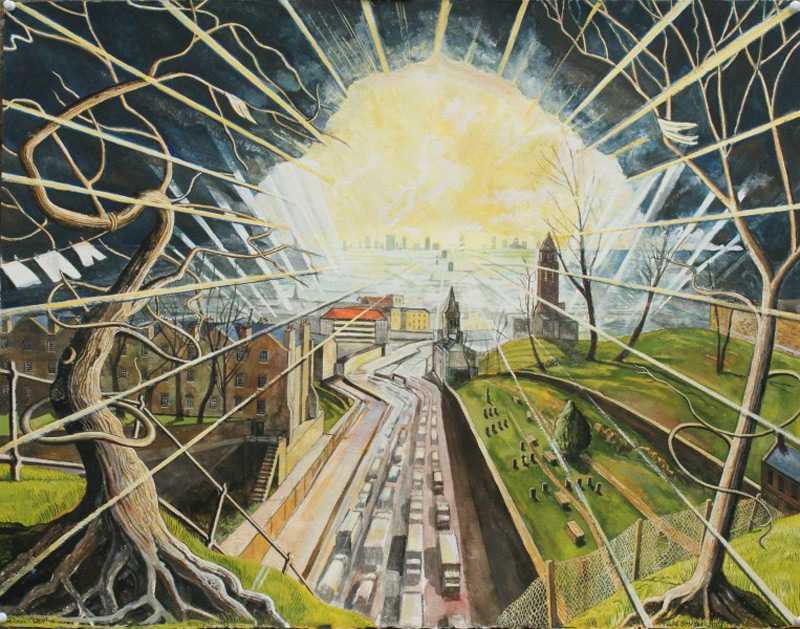
” The Great Wen ”
Lord Rosebury’s image of London as a city composed of exclusive collectives stands to substantiate the understanding of the issues stemming from a lack of cohesion and social empathy. In addition, William Cobbett’s illustration of London as a “Great Wen” has revealed urban dependency on rural life and the economy. The phrase was coined in 1660 and referred to the expansion of the City of London, likening it to the spread of disease that would disrupt city form and social order.
In 1660, London comprised 500,000, followed closely by Bristol with a strength of thirty 30,000. Between 1700 and 1820, the population increased to 1250000, with the centralisation and restructuring of political power and the replacement of feudalism with an aristocratic structure. While mercantile capitalism and an aristocratic political order influenced London in the 18th century, industrial capitalism and its effects were evident throughout the 19th century with the introduction of advanced technology in construction and the development of trade. Consequently, London functioned as an epicentre of trade negotiations and a centre for distribution.
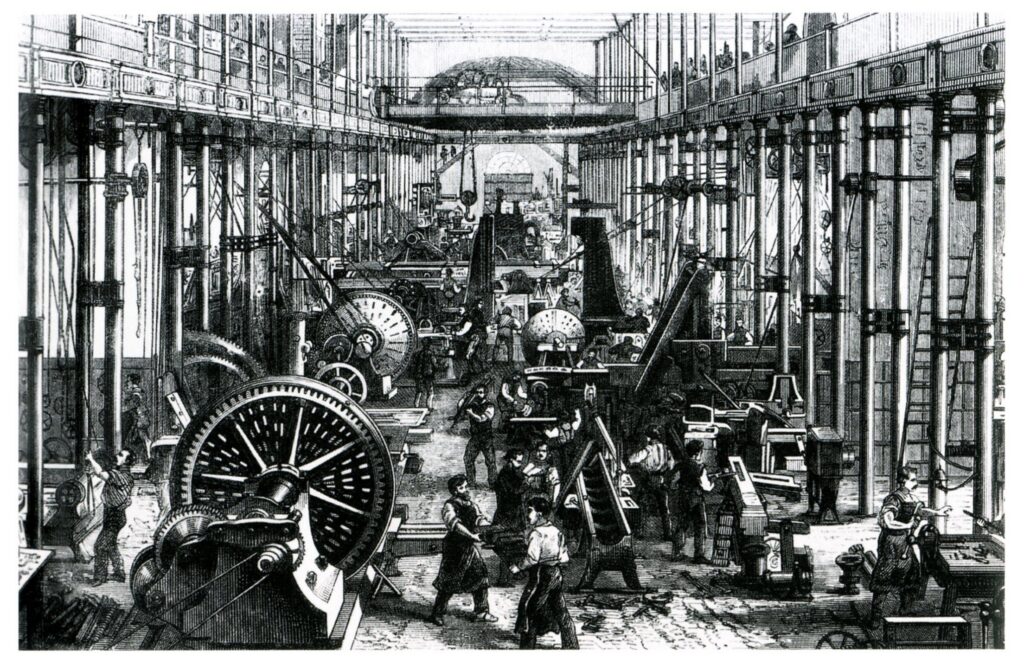
The countryside around London was transformed to support the growth of the city. “It was not the latter case of an industrial centre being fed by its rural hinterland. It was a case of a capital city drawing the character of an economy and a society into its extraordinary centre: order and chaos both”. In 1719, the growth of Public Funds contributed to the expansion of the city and the creation of work and community infrastructure, which encouraged migration toward the city. However, the established trades and crafts in the city and the demographic of skilled artisans in metals and print, clothing, furniture and fashion formed the majority of the working population. Collectively, they represented the beginnings of the creation of cosmopolitan identity.
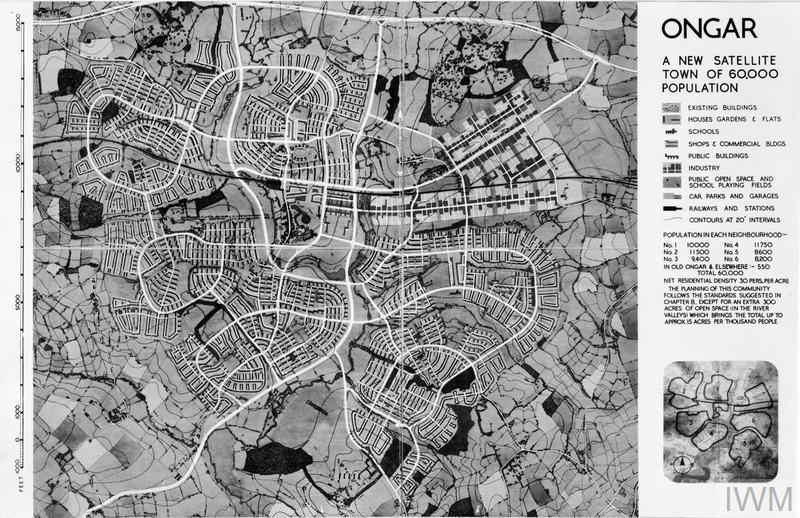
Urban planning initiatives and cultural associations have introduced new interpretations that illustrate the interdependency, support systems, and infrastructural frameworks that define urban and rural life. The consolidation of historical evidence from disparate sources across geographical contexts and time periods aims to bind a historical narrative of associations that have defined the country and the city, respectively. To prevent a generalisation of the two contexts, a layered premise that defines and celebrates rural and urban life would be aimed at reconfiguring simplistic and reductionist perceptions.
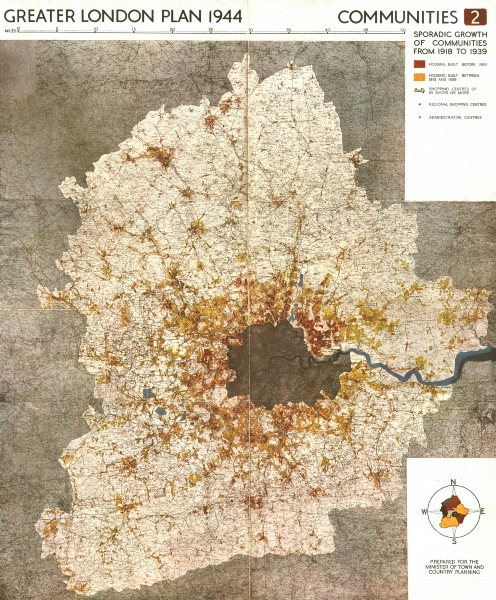
Sir Patrick Abercrombie (1879-1957), a prominent figure with the Garden City Association and a planner of considerable repute in Great Britain, designed the County of London Plan in collaboration with J.H.Forshaw, an architect in the London County Council. This was followed by the Greater London Plan in 1944, commissioned by the Ministry of Town and Country Planning for the region of London.
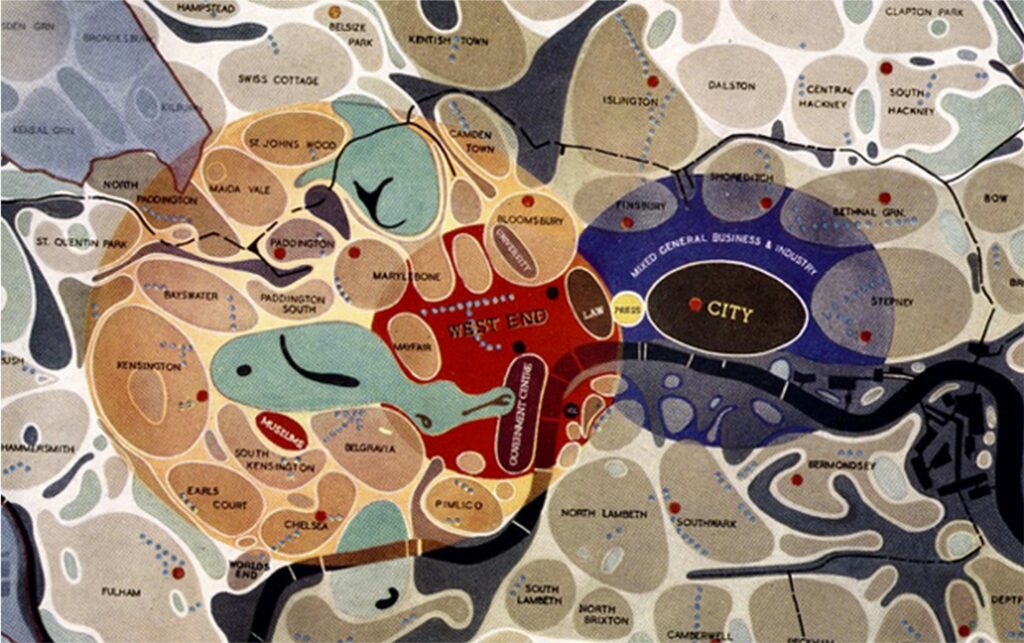
His work created demarcated regions allocated for housing and industry in a post-war Britain, addressing contemporary urban issues such as the unprecedented and unchecked growth of London, deteriorating housing conditions, congested traffic systems, insufficient public open spaces, and incoherence in programmatic distribution at an urban, regional and district level.
The plan defined four concentric zones, the innermost being the densest, the second composed primarily of residential districts and the third of the green belt, which created a buffer between the urban expansion of London and regional communities with farming areas. The fourth and outermost ring comprised decentralised industry and housing on undeveloped sites.
The zoning was discarded as an attempt at a hardline restructuring of a cityscape that had grown organically over time. However, Abercrombie’s strength at simplifying a complex socio-economic diagram and presenting it as a blueprint was recognised and greatly appreciated. His contribution to the Greater London Plan was praised as the classic example of town planning relevant to the time, addressing several issues across urban and rural contexts. It has also been described as “the mature organism born of the garden city embryo”, formulated by Ebenezer Howard.